Common Mistakes When Planning A Practical Handbag For Commuting And Travel
A practical step-by-step guide to common mistakes when planning a practical handbag for commuting and travel, including preparation, instructions, common issues, tips, and next steps.
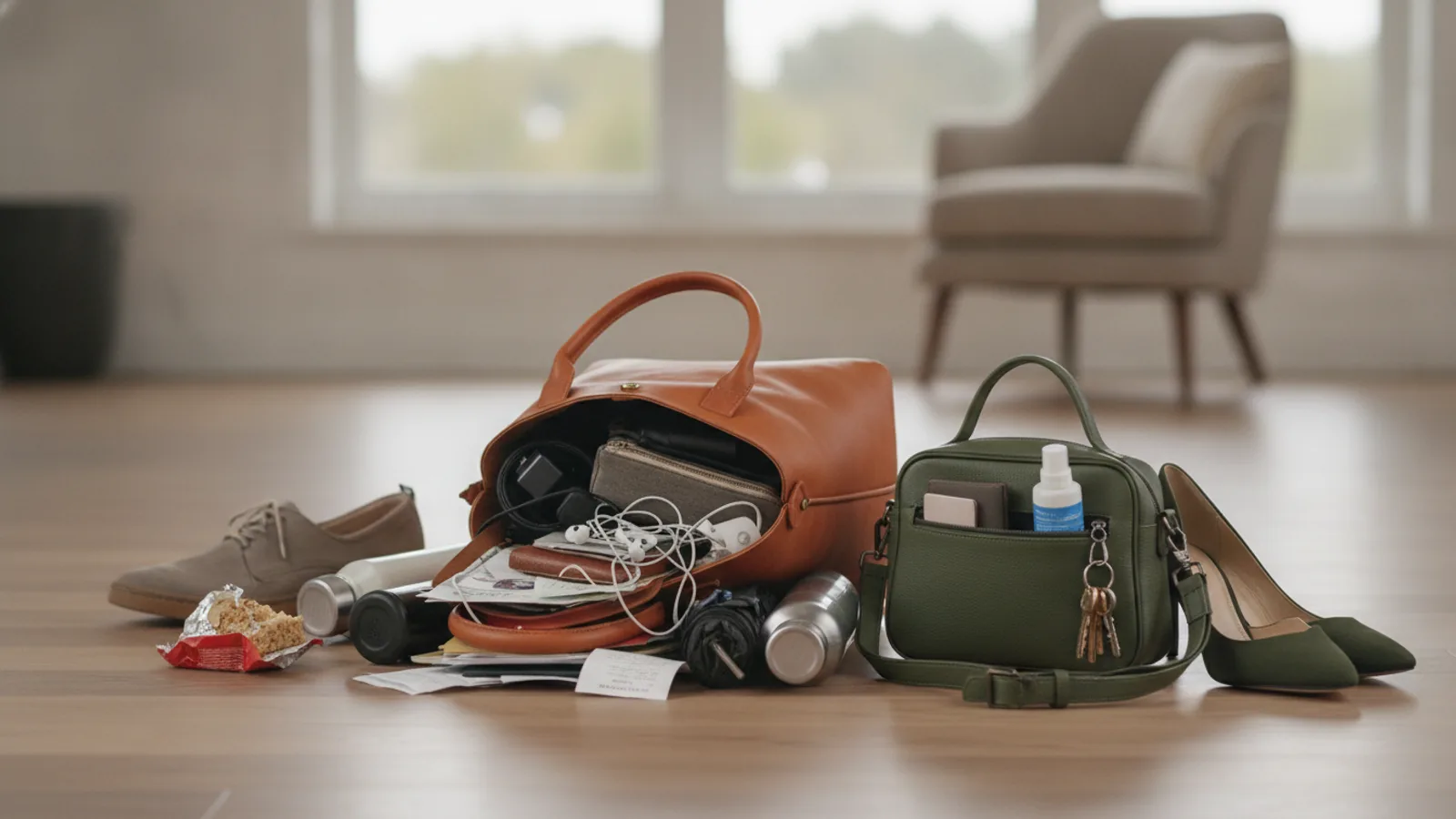
Common Mistakes When Planning A Practical Handbag For Commuting And Travel
Planning a practical handbag for commuting and travel requires balancing comfort, organization, and security. Many people make common mistakes such as overpacking, choosing the wrong size, neglecting weight distribution, and ignoring the layout of pockets. This guide walks you through six essential steps to avoid these pitfalls, from assessing your daily needs to testing your bag in real conditions. Each step includes a specific action, a practical check, and an explanation of why that check matters. By following this guide, you'll create a bag that serves you efficiently on trains, planes, and daily walks, reducing strain and frustration. Remember to periodically review and adjust your packing list as your routine changes.
Fast Answer
- Avoid overpacking by listing daily essentials and sticking to them, then test the bag's weight and comfort with a full load before committing.
- Choose a bag with multiple compartments and a dedicated laptop sleeve if you carry a computer, and ensure the straps are padded and adjustable for ergonomic carry.
Before You Start
- Gather a measuring tape and a scale to check the bag's dimensions and weight capacity before you start planning.
- List your daily commute items (laptop, water bottle, snacks, umbrella, keys, wallet, phone, headphones) and estimate their sizes and weights.
- Consider your travel style: do you walk long distances, use public transit, or drive? This affects the ideal bag type and size.
- Decide on the minimum number of items you can function without, and be honest about what you actually use each day.
Step-by-Step Instructions
Assess Your Daily and Travel Needs
Start by making a detailed list of everything you carry on a typical commute and during your travel days. For most people, this includes a laptop or tablet, charger, wallet, phone, keys, water bottle, snacks, umbrella, and maybe a book or headphones. Weigh each item if possible, and note its size. Then, separate these items into two categories: absolute essentials that you use daily, and occasional items that you might need only sometimes. This step gives you a clear picture of the minimum volume and weight your bag must hold. Check your list against the bag's capacity by placing your items inside the bag at the store or when you receive it. This check matters because it prevents you from buying a bag that is too small or too large, which leads to either cramming items and stretching the fabric or carrying unnecessary bulk.
Choose the Correct Bag Size and Shape
After you know your daily items, pick a bag that matches their combined volume. Bags are measured in liters, so estimate your gear's volume: a typical laptop sleeve takes about 10 liters, a water bottle and snacks about 5 liters, and personal items about 3 to 5 liters. Choose a bag that is slightly larger but not huge, because a bag that is too big encourages overpacking. Consider the shape: a tall, narrow tote might fit a laptop upright, but a wide, flat messenger can be easier to dig through. Check that the main compartment can accommodate your largest item, like a laptop or a folder, without forcing it. Also, measure the height and width to ensure the bag fits under airplane seats or on bus racks. This check matters because a bag that is too small forces you to leave essential items behind, while an oversized bag becomes heavy and unwieldy, causing shoulder fatigue and making it hard to move through crowded spaces.
Prioritize Pockets and Organization
Look for a bag with multiple interior and exterior pockets that help you sort your gear. The ideal layout includes a dedicated padded laptop compartment, a quick-access pocket for phone and transit pass, and at least one inner pocket for small items like lip balm or pens. Avoid bags with only one large open space, because you will waste time digging for items and risk them getting scratched. Place your items in the bag as you would on a typical day: laptop in the back compartment, charger and cables in a small zippered pocket, wallet and phone in the front pocket, and water bottle in a side pocket if available. Check that you can reach your phone and keys without unzipping the main compartment, perhaps through a front pocket or a magnetic closure. This check matters because easy access reduces frustration and keeps you organized, especially when you are in a hurry or in a crowded train and need your transit card quickly.
Evaluate Straps, Handles, and Comfort
The straps and handles determine how comfortable the bag is to carry for long periods. Look for padded straps that are wide enough to distribute weight across your shoulder, and check if they are adjustable so you can wear the bag at the right height. Some commuters prefer a crossbody strap for hands-free convenience, while others like backpack straps that distribute weight evenly across both shoulders. Try on the bag with your typical load and walk around for a few minutes to feel the fit. Check that the straps don't dig into your shoulders and that the bag doesn't swing too much. Also, see if there is a grab handle for carrying it by hand or hooking it onto a luggage handle. This check matters because a poorly designed strap can cause neck and shoulder pain, and a bag that constantly slips off your shoulder is both annoying and a security risk.
Consider Security Features and Weather Resistance
If you travel through crowded areas, security features become very important. Look for bags that have zippers that can be locked together, perhaps with small padlocks, or that have hidden compartments that are not obvious from the outside. Make sure the zippers are sturdy and have a way to be secured. Also, think about weather: if you live in a rainy climate, choose a bag made of water-resistant fabric or use a rain cover. Check if the bag has a bellowed bottom that lets water drain away, or seams that are taped to prevent leaks. You can test the bag's water resistance by sprinkling a few drops of water on the exterior and seeing if they bead up. This check matters because a soaked bag can ruin electronics and important documents, and an insecure bag can make you vulnerable to theft in busy stations and tourist spots.
Test the Bag in Real Conditions
Before you fully commit to a bag, test it in conditions similar to your daily routine. Pack all your typical items, wear the bag for a full workday or a long walk, and note any pressure points, excessive swinging, or difficulty accessing items. Also, practice taking the bag on and off quickly, as you might do when passing through a security checkpoint or when getting on a crowded bus. Check that the bag stays balanced and doesn't tip over when placed on the floor or a seat. If you notice any discomfort or structural issues, return the bag and try another style. This check matters because a bag might feel fine when empty but become a burden when fully packed for several hours, and you want to discover any problems before you rely on it for a long trip or a daily commute.
Quick Reference
| Situation | Action | Why it helps |
|---|---|---|
| You find yourself digging through your bag to find your phone or transit pass while standing in a ticket line. | Move frequently used items like your phone, transit card, and keys to an exterior quick-access pocket or a small attached pouch, so you can reach them without opening the main compartment. | This reduces time wasted and keeps you from dropping other items, and it also makes you less vulnerable to pickpockets because you are not as distracted. |
| After a full day of carrying, your shoulder or back feels sore and you notice red marks from the straps. | Repack your bag to put heavier items like a laptop or water bottle closer to your back or alongside the main zipper, and adjust the straps to a snug but comfortable length that keeps the bag high and close to your body. | Carrying weight away from your body increases strain on your muscles and joints; keeping load close to your center of gravity reduces fatigue and prevents injury. |
| You are about to board a flight and the airline agent says your bag is too big to be a carry-on. | Check the airline's posted carry-on size limit for the specific aircraft you are flying, then measure your fully packed bag including handles and wheels to confirm it fits within that limit. | Airlines have strict size regulations that vary, and avoiding a surprise at the gate saves you time, extra fees, and the hassle of checking your bag at the last moment. |
Common Issues
- The bag is too heavy even when empty, adding unnecessary strain to your shoulders.: Choose a bag made of lightweight materials like ripstop nylon or high-tenacity polyester, and avoid heavy leather or metal hardware. Weigh the empty bag and aim for under a certain threshold, but also consider that every ounce of bag weight adds to your load.
- You cannot find anything because everything is jumbled together in one large pocket.: Use organizing pouches, zippered mesh bags, and dedicated sleeves to separate categories like electronics, toiletries, and documents. Also, choose a bag with multiple pockets and compartments, and assign a specific pocket for each type of item so you always know where it is.
- The zipper gets stuck or the straps are flimsy, causing the bag to feel unreliable.: Look for bags with zippers from reputable hardware brands that have smooth action and are thick enough to handle repeated pulls. Check the stitching at stress points like strap anchors and handles, and opt for bags with reinforced seams. If you already own a bag with weak zippers, apply lubricant to the teeth and gently pull to free them, but consider replacing the bag for long-term reliability.
Advanced Tips
- For a travel day, roll your clothes and use packing cubes to compress them, freeing up space for items you might acquire during your trip.
- Use a small carabiner to attach your water bottle or a small pouch to the outside of your bag, so you don't have to open the zippers for frequent access.
- If you carry both a laptop and a tablet, consider a bag with a dedicated padded sleeve that can hold both, or use a separate tablet sleeve that can be placed in the main compartment to avoid scratching.
Final Checklist
- Measure your fully packed bag to ensure it fits your commute or airline's size limits, and weigh it to confirm you can carry it comfortably.
- Confirm that all rarely used items like umbrellas or chargers have a designated spot and are not floating around loose in the main compartment.
- Test the bag's zippers and buckles to ensure they work smoothly and are secure enough to deter casual pickpockets.
- Wear the bag with your typical load for at least ten minutes to check for any pressure points or awkward balance, and adjust straps as needed.
FAQ
What is the ideal weight for a commuting handbag?
There is no single ideal weight because it depends on your physical strength and how long you carry the bag. A general rule is that a loaded bag should not exceed 10% of your body weight to avoid back strain. For most adults, that means keeping the total weight under a certain amount like 5 to 7 kilograms. To find your comfortable weight, start with your daily essentials and then weigh the bag. If it feels too heavy, remove non-essential items or consider a backpack to distribute weight evenly.
How can I make my handbag more secure against pickpockets?
To reduce the risk of pickpocketing, choose a bag with zippered compartments and keep the zippers closed. You can use small carabiners or lockable zipper pulls to make it harder for a thief to open quickly. Carry the bag in front of you or across your body, and keep your wallet and phone in inner pockets rather than near the opening. Be aware of your surroundings in crowded areas and avoid placing the bag on the floor or the back of a chair where it is out of sight.
What are the most durable materials for a travel handbag?
Durable materials include nylon with a high denier count (like 1680D ballistic nylon) that resists abrasion and tearing, as well as polyester with a strong weave. Cordura is a branded nylon that is also very tough. Leather can be durable if thick and well-treated, but it is heavier and may require maintenance. Look for bags with reinforced stitching and waterproof coatings to handle daily wear and weather. Always test the material's feel and examine the stitching quality before purchasing.