How To Choose Choosing Comfortable Shoes For A City Weekend
A practical step-by-step guide to how to choose choosing comfortable shoes for a city weekend, including preparation, instructions, common issues, tips, and next steps.
How To Choose Choosing Comfortable Shoes For A City Weekend
Choosing comfortable shoes for a city weekend is about balancing support, fit, and practicality. This guide walks you through understanding your feet, selecting the right type of shoe, ensuring proper fit, breaking them in, and caring for them. Follow these steps to enjoy your city explorations without foot pain, blisters, or fatigue. Whether you're walking miles of pavement, standing in museums, or dining out, the right shoes make all the difference. Learn how to evaluate cushioning, arch support, and sole flexibility, and discover essential shoe-care tips to keep your feet happy from morning to night.
Fast Answer
- Look for shoes with good arch support, cushioning, and a flexible sole that matches your foot shape.
- Try on shoes at the end of the day when feet are slightly swollen, and walk around to ensure a comfortable fit.
Before You Start
- Trace your foot on paper and measure the length and width to know your exact size.
- Consider your typical city activities: walking, standing, or hiking, and what surfaces you'll encounter.
- Check the shoes' material and flexibility; avoid stiff shoes that may cause blisters.
- Bring the socks you plan to wear and try shoes with them to ensure proper fit.
Step-by-Step Instructions
Assess Your Foot Type and Gait
Start by understanding your foot type, which influences the features you need in a shoe. Wet your foot, step on a piece of paper, and look at the imprint: a flat foot shows nearly the entire foot, a high arch shows only the heel and forefoot, and a neutral foot shows a curve on the inside. Also, examine the wear pattern of your regular shoes to see if you overpronate (wear on the inner edge) or supinate (wear on the outer edge). This will guide you toward shoes with specific cushioning and support. For example, flat feet often benefit from stability or motion-control shoes, while high arches require extra cushioning. If you're unsure, visit a specialty shoe store for a gait analysis, but this is optional. Knowing your foot type helps you narrow down the endless choices, saving you time and preventing foot problems later.
Choose the Right Shoe for City Walking
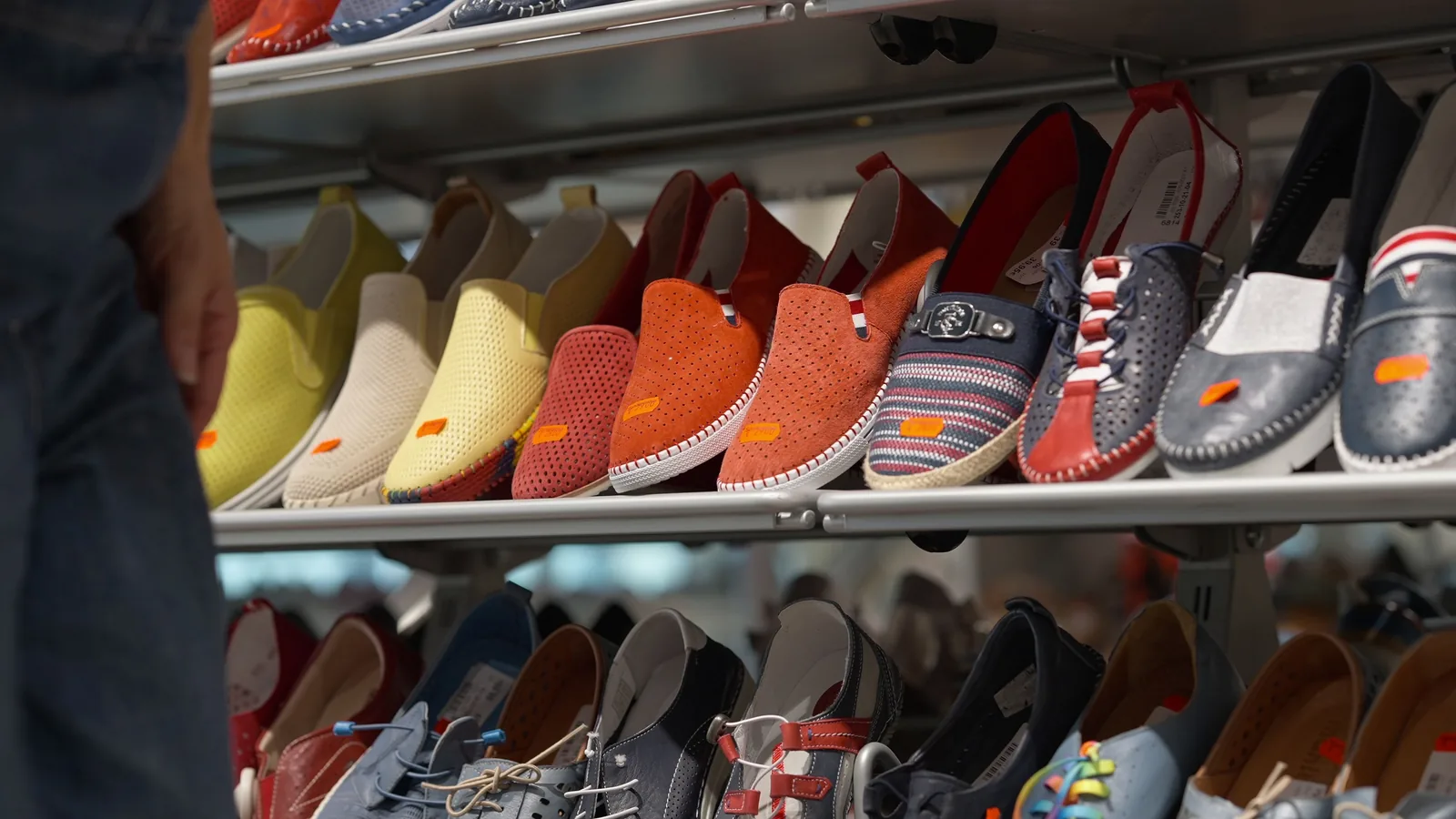
For a city weekend, prioritize lightweight walking shoes or sneakers designed for urban comfort. Look for features like a cushioned insole, arch support, and a flexible but supportive sole. The sole should have good traction to handle wet or slippery streets. Breathable materials, such as mesh, prevent your feet from overheating during long walks. Consider the shoe's weight: heavy boots or fashion shoes will tire your feet quickly. Choose shoes that are specifically made for walking, not running, as walking shoes are designed for the heel-to-toe motion of walking. If you plan to visit many attractions, ensure the shoe has a roomy toe box to prevent pinching. Avoid high heels, stiff leather shoes, and unsupportive flats. A versatile pair of white leather sneakers or a comfortable pair of walking shoes will serve you well.
Get the Perfect Fit – Size and Width
Fit is the most critical factor. Always try on shoes at the end of the day when your feet are naturally swollen. Wear the same type of socks you plan to wear with the shoes. When trying on, ensure there's about a thumb's width of space between your longest toe and the front of the shoe (about half an inch). Wiggle your toes to ensure they have freedom. The heel should fit snugly without slipping. Walk around the store to check if the shoe grips your heel and bends naturally at the toes. Also, note that shoe sizes can vary between brands, so always try on both shoes and walk for a few minutes. Ask for a width fitting if your feet are wide or narrow; many brands offer multiple widths. A proper fit reduces friction and prevents blisters, bunions, and other injuries.
Test Cushioning and Arch Support
After slipping on the shoe, press down on the insole to check the cushioning. It should feel springy but not overly soft, as too much cushioning can strain your feet. Look for removable insoles, which allow you to replace them with custom orthotics if needed. The shoe should provide arch support that feels comfortable—not too high or too low. You can test this by comparing the shoe to your existing footwear. Walk on a hard surface to feel the impact absorption. Ideally, the shoe should reduce the shock to your heels and knees. If the shoe has a rocker sole, it may help roll through steps, reducing fatigue. Remember, cushioning doesn't just mean squishy—it should be responsive. Try a few different models to compare. Ultimately, a good balance of cushioning and support ensures that your feet don't ache after a long day of walking.
Break Them In Gradually
Never take brand-new shoes straight onto a long city walk. New shoes need a break-in period to mold to your feet and soften. Start by wearing them for short periods—around an hour a day—around your home or for quick errands. Increase wear time gradually over several days. This process allows the materials to flex and form to your unique foot shape, reducing the risk of blisters and pressure points. For shoes that feel tight, use a shoe stretcher or thick socks to help stretch them. Pay attention to any hot spots where you feel friction; apply moleskin or bandages to those areas protectively. If after a week the shoes still hurt, they may not be the right fit. Breaking in gradually ensures comfort and extends the shoe's life.
Maintain and Replace Your Shoes
To get the most out of your city walking shoes, care for them properly. Rotate between two pairs if possible to allow each to air out. Use shoe trees to maintain shape and absorb moisture. Clean them regularly with a soft brush or cloth. If they get wet, stuff them with newspaper and let them dry naturally, away from direct heat. The cushioning in shoes compresses over time, so replace them every 300 to 500 miles (or every 6-8 months if you walk frequently). Signs of wear include visible sole flattening, wrinkles in the midsole, or foot fatigue after wearing them. Keeping your shoes in good condition not only extends their life but also prevents potential foot injuries. Remember, a worn-out shoe offers little support, increasing your risk of injury.
Quick Reference
| Situation | Action | Why it helps |
|---|---|---|
| You're planning a full day of sightseeing that involves many miles of walking. | Choose walking shoes with cushioned soles and good arch support, and consider adding gel insoles if needed. Break them in beforehand. | Proper cushioning and support reduce impact and prevent foot fatigue, keeping you comfortable throughout the day. |
| You encounter a rainy day and worry about slipping on wet streets. | Pick shoes with rubber soles that have good traction, and apply a waterproofing spray. Avoid smooth-soled shoes. | Good traction prevents slips, and waterproofing keeps your feet dry, preventing blisters and discomfort. |
| Your feet feel tired and achy after a long day of walking. | Switch to a fresh pair of shoes if possible, elevate your feet, and do gentle stretching exercises. Consider using cooling foot creams. | Rest and elevation reduce swelling, while stretching relieves tension and promotes blood circulation. |
Common Issues
- Blisters form on the back of the heel or toes due to friction.: Apply moleskin or blister plasters before they form. Wear moisture-wicking socks, and ensure your shoes fit snugly at the heel without slipping. If a blister appears, keep it clean and covered.
- Feet feel hot and sweaty inside the shoes, leading to discomfort.: Choose breathable materials like mesh or leather with perforations. Wear sweat-wicking socks made of synthetic fibers. Let your shoes dry completely between uses, and use foot powder to reduce moisture.
- Shoes become misshapen or lose their cushioning too quickly.: Rotate your shoes every other day to give them time to decompress. Use shoe trees to maintain shape, and replace insoles when they flatten. Avoid leaving them in hot cars or direct sunlight, as heat breaks down materials.
Advanced Tips
- If you have flat feet or low arches, consider using over-the-counter orthotic insoles that offer extra arch support; place them in your shoes for enhanced comfort.
- Lace your shoes so that the heel is locked in: create a loop at the top two eyelets and use the 'runner's loop' technique to prevent heel slippage.
- When you're not walking, take mini breaks and remove your shoes to let your feet air out and reduce pressure.
Final Checklist
- Your shoes have a thumb-width space from your longest toe to the front, and your heel doesn't slip.
- The shoes provide cushioned support and arch comfort, and they feel stable on various surfaces.
- You've broken them in gradually, wearing them for short periods before long outings.
- You have a maintenance routine: rotating pairs, using shoe trees, and checking wear regularly.
FAQ
How tight should walking shoes be?
Walking shoes should fit snugly but not constrictively. Your toes should be able to wiggle, and there should be about half an inch of space from your longest toe to the shoe's end. The heel should grip firmly without slipping. A good test is to walk around: if your foot slides inside, they're too loose; if you feel pressure points, they're too tight.
Can I use running shoes for a city walking weekend?
Yes, but walking shoes are specifically designed for the heel-to-toe gait of walking, while running shoes are built for forward motion and impact. Running shoes often have thicker heels and may not offer the right flexibility for walking. However, many comfortable sneakers are fine for moderate walking. Try them and see if your feet feel comfortable after a few hours.
What is the best time of day to buy shoes?
Shop for shoes in the afternoon or evening, because your feet naturally swell throughout the day. That way you'll get a fit that accommodates your feet at their largest, reducing the risk of buying shoes that are too tight for later in the day.