What To Check Before A Practical Handbag For Commuting And Travel
A practical step-by-step guide to what to check before a practical handbag for commuting and travel, including preparation, instructions, common issues, tips, and next steps.
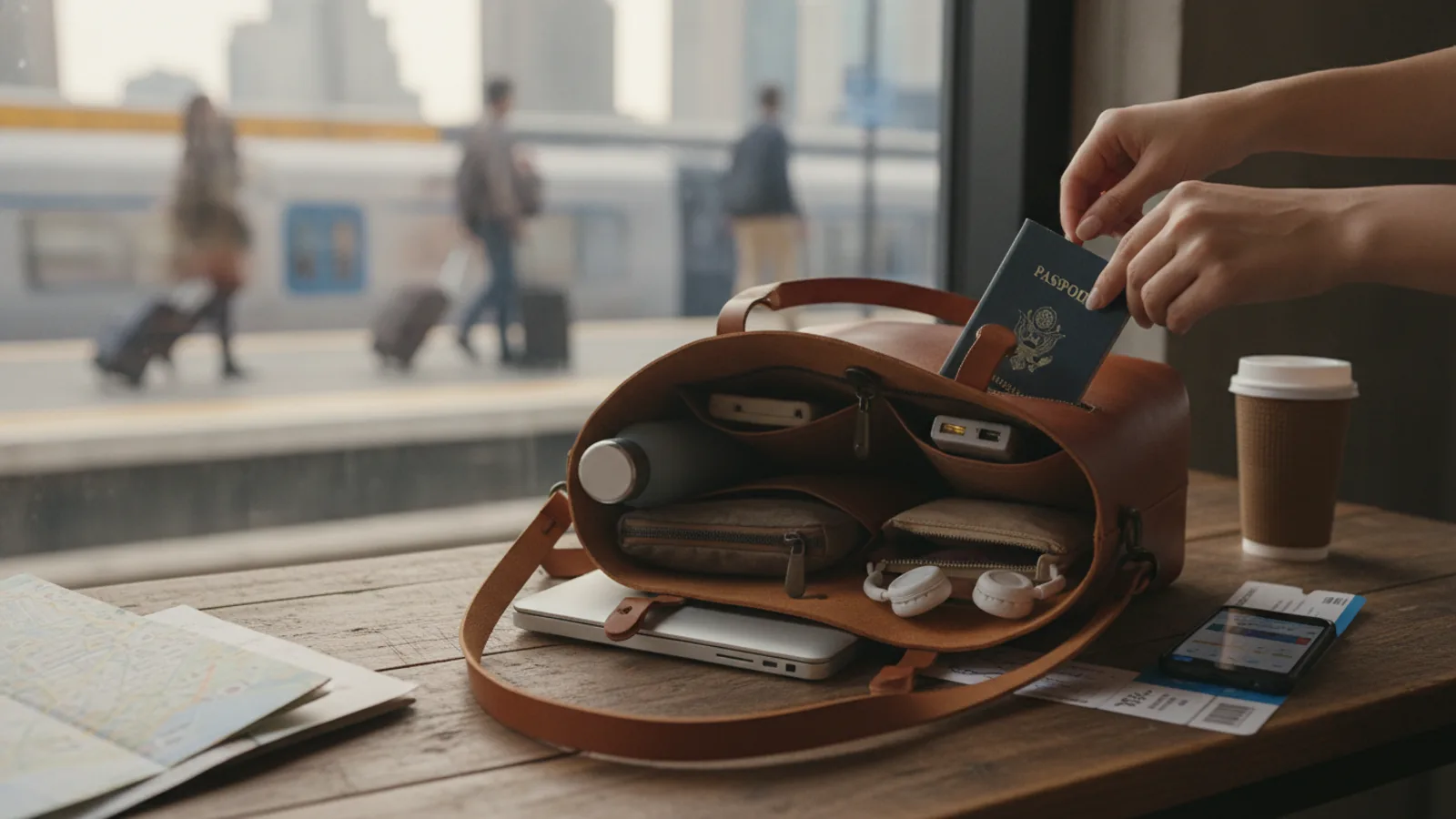
What To Check Before A Practical Handbag For Commuting And Travel
Before you rely on a handbag for daily commuting and travel, it is essential to evaluate its structure, materials, security, and comfort. A practical bag should protect your belongings, fit your body, and endure regular use without causing strain or frustration. This guide walks you through six key checks—from seams and straps to zippers and weight distribution—so you can spot problems before they become disasters. You'll learn how to test water resistance, organize compartments, and maintain your bag over time. By the end, you'll have a clear checklist to assess any handbag you already own or are considering buying, ensuring it meets the demands of your commute and travel needs.
Fast Answer
- Check all seams, straps, and zippers by giving them a firm tug; look for loose threads, bent teeth, or weak stitching that could fail under load.
- Test the bag's weight when empty and then with your daily items; ensure the straps distribute weight evenly and do not dig into your shoulders.
Before You Start
- Gather a tape measure or ruler to check dimensions and strap length against your torso and typical carry-on requirements.
- Collect the items you normally carry (laptop, water bottle, keys, wallet) to test fit, weight, and accessibility.
- Have a pen and paper or a note app ready to record any issues you find during the inspection.
- Find a clean, flat surface and a full-length mirror so you can see how the bag hangs on your body.
Step-by-Step Instructions
Inspect the Exterior and Seams Carefully
Start by laying the bag on a flat, well-lit surface and run your hands over the entire exterior. Look for any loose threads, uneven stitching, or areas where the fabric or leather seems thin or worn. Pay special attention to the seams where the sides meet the bottom, as these bear the most weight. Gently pull the fabric apart at each seam—if you see gaps or feel fibers stretching, the stitching may fail under a heavy load. Also check the corners and edges for scuffs or cracks that could let water in or turn into tears. This check matters because a bag that looks fine on the outside can hide weak points that open up unexpectedly, causing you to drop your belongings or damage your gear. If you find any loose thread, do not pull it; instead, reinforce it with a small dab of clear fabric glue or take it to a repair shop before you rely on the bag.
Examine Straps and Handles for Weak Points
Hold the bag by its handles or strap and lift it with a few pounds of weight inside—say, a couple of books or your empty water bottle. Then, swing the bag gently and jerk it slightly to mimic the motion of walking. Watch the attachment points where the strap meets the bag; these are common failure areas. Check for any fraying, stretched stitching, or metal hardware that seems loose. If the strap is adjustable, test the slider and buckle to make sure it holds its position and does not slip. For shoulder or crossbody straps, also verify that the padding (if any) stays in place and does not bunch up. This step matters because a broken strap can happen at the worst moment—like when you are crossing a busy street or running for a train—and can cause the bag to swing into someone or drop to the ground. If the attachment points show any sign of stress, like pulled threads or bent metal, consider reinforcing them or choosing a different bag.
Test Zippers and Closures
Open and close every zipper, snap, magnetic button, and buckle at least five times, and do it with the bag empty and then full. For zippers, run them along the track slowly and briskly, watching for any hesitation, sticking, or misalignment. Pull the zipper pull in both directions and check that the teeth mesh evenly. If you feel any resistance, inspect the track for bent teeth, fabric caught in the mechanism, or a misaligned slider. For snap buttons, press them firmly and release them to see if they hold and release easily. Magnetic closures should snap closed with confidence and not pop open when you bump the bag. This check matters because a faulty closure can leave your belongings exposed to theft, rain, or accidental spills. A zipper that jams might also force you to use both hands to open it, which is inconvenient when you are holding a coffee or a rail pass, and it can be frustrating when you need to get something quickly.
Assess Interior Pockets and Organization
Reach inside the bag and examine every pocket, divider, and sleeve. Check the seams of each pocket by pulling them gently to see if they are sturdy or if they start to rip. Look for any sharp Velcro edges or rough zipper tape that could scratch your phone or sunglasses. Consider where the pockets sit relative to the main opening: are they easily accessible without digging? For commuting, you want a spot for your phone, keys, transit card, and a small umbrella—each with a dedicated place so you can grab them quickly. For travel, you might need a padded sleeve for a tablet or e-reader, and a secure pocket for documents. This step matters because a bag that is a cavernous pit makes it hard to find anything, and you will waste time rummaging while you are standing on a platform or in a security line. Organization is not just about tidiness; it also protects your items from being scratched or crushed.
Evaluate Weight Distribution and Comfort
Fill the bag with everything you would normally carry for a full commute or a day of sightseeing. Put it on and wear it around your home for at least five minutes, walking up and down stairs, bending to pick things up, and twisting to check blind spots. Pay attention to how the straps sit on your shoulders. They should not dig into your flesh or slide off your shoulder constantly. If the bag has a crossbody strap, adjust its length so that the bag rests at your hip, not your stomach or lower back, and check that the weight does not pull your body to one side. Also, notice whether the bag stays close to your body or swings away as you move, because a swinging bag can hit others in a crowd and cause you to lose balance. This step matters because an uncomfortable bag distracts you, affects your posture, and can even cause back or shoulder pain over time. Remember that the bag will feel different when it is full, so always test it with weight.
Check Weather Resistance and Durability
Look at the material and the finish of the bag. If it is fabric, check the weave for tightness—a tight weave repels water and dirt better than a loose one. Run your fingers over the surface to feel for any coating or lamination. For leather or suede, check the condition and treat it with a suitable protectant if needed. If there is a rain cover included, test how it fits and whether it covers the whole bag. If not, consider buying a separate packable rain cover. Also, examine the base of the bag; if it has metal feet, make sure they are securely attached, as they prevent the bag from getting dirty when you set it down. This step matters because your commute might involve rain, sleet, or snow, and a waterlogged bag can ruin electronics, documents, and your mood. Even if the bag is not fully waterproof, you can spray it with a fabric protector or wax to add a layer of defense, but only after testing a hidden area to ensure it does not change the color.
Quick Reference
| Situation | Action | Why it helps |
|---|---|---|
| You are in a hurry to catch a train and need to grab your phone or transit card quickly without stopping. | Watch for a bag with an outer pocket that fits your most-used items and test that you can unzip it with your non-dominant hand while the bag is on your body. | Speed and convenience save time and reduce stress, and having a designated outer pocket prevents you from digging through the main compartment or missing your train. |
| You are walking through a crowded street and worry about theft or accidental pocket openings. | Keep your bag on the front of your body, with your arm resting on it, and use a zipper pull with a small lock or carabiner to secure the main zippers together. | A front-facing bag is more visible and harder for a pickpocket to access, and securing the zippers adds a simple deterrent without heavy lock systems. |
| You have a heavy laptop and books, and your shoulder begins to ache after ten minutes of walking. | Switch to a backpack or a crossbody bag with a padded, wide strap (at least 1.5 inches wide), and adjust the strap so the bag sits high on your back or hip. | Distributing weight across your back or across your body with a wide strap reduces the pressure on one shoulder and prevents strain, making your commute more comfortable. |
Common Issues
- Zipper gets stuck midway, especially when the bag is full.: Clear any fabric caught in the teeth, then run a bar of soap or a wax candle along the zipper track to lubricate it. If it still jams, the slider may be misaligned; gently pinch it with pliers to realign it, or bring the bag to a repair shop. Avoid forcing the zipper, as that can pull the tape and cause permanent damage.
- Straps slip off your shoulder while walking.: Look for a bag with a non-slip strap lining, or use a small strap holder that you can clip on to keep it in place. Alternatively, tighten the strap so the bag sits higher, closer to your armpit, which changes the angle and reduces slipping. For crossbody straps, attach a silicone shoulder pad to add grip and cushion.
- The bag's bottom sags or gets dirty quickly when you set it down.: If the bag lacks metal feet, you can glue or sew on small rubber or metal feet to protect the base. Alternatively, use a stiff plastic or cardboard insert to reinforce the bottom. To prevent dirt, treat the fabric with a stain and water repellent, and always avoid setting it directly on wet or dirty surfaces—use a hook or a clean bench instead.
Advanced Tips
- Consider adding a lightweight RFID-blocking liner or pouch for cards and passports, but always check your specific card types and local regulations, as the shielding may interfere with some accessibility devices.
- When packing, place heavier items closer to your spine (if carrying a backpack) or in the middle of a tote, and lighter items at the ends; this balances the load and reduces strain on your shoulders and back.
- If you often use a crossbody bag, alternate which shoulder you wear it on each day to prevent muscle imbalance and to give one side a rest.
Final Checklist
- All seams and straps show no signs of weak stitching, fraying, or loose hardware when tugged firmly.
- All zippers run smoothly, snaps stay closed, and closures do not pop open when the bag is packed.
- You can easily carry the bag for at least five minutes without discomfort, and it stays in place without slipping.
- The bag has adequate weather protection for your typical commute and travel conditions, and you have tested it with a light water spray.
FAQ
How can I tell if a handbag is waterproof enough for rainy commutes?
Check the material's finish: look for a visible water-resistant coating, or do a quick test by sprinkling a few drops of water on the surface. If they bead up and roll off, the bag is reasonably water-resistant. For more protection, apply a fabric or leather waterproofing spray (make sure to test on a hidden spot first). For heavy rain, use a packable rain cover that fits snugly over the entire bag, and avoid leaving it open in a downpour.
Is a handbag with a short shoulder strap safe for traveling?
A short shoulder strap can be used for travel if you pair it with a crossbody or wristlet strap for hands-free moments. However, for security in crowds and for comfort over long walks, a crossbody or backpack is generally safer and more practical. A short strap that hangs under your arm is harder to keep an eye on and can become a snag hazard. Always choose a strap length that allows you to keep the bag in front of your body or secure against your side.
What should I do if my handbag's strap keeps breaking or coming loose?
If the strap detaches from the bag’s D-rings, check the hardware: if the rings are the type that twist open, you can tighten them with pliers. If the stitching at the attachment point is torn, take the bag to a professional repair service to reinforce it. As a temporary fix, use a strong keyring or carabiner to attach the strap to the bag’s handles or rings, but this is not a permanent solution. Avoid overloading the bag until the strap is fully repaired.