What To Check Before Packing A Carry On Wardrobe For A Short European Trip
A practical step-by-step guide to what to check before packing a carry-on wardrobe for a short European trip, including preparation, instructions, common issues, tips, and next steps.
What To Check Before Packing A Carry On Wardrobe For A Short European Trip
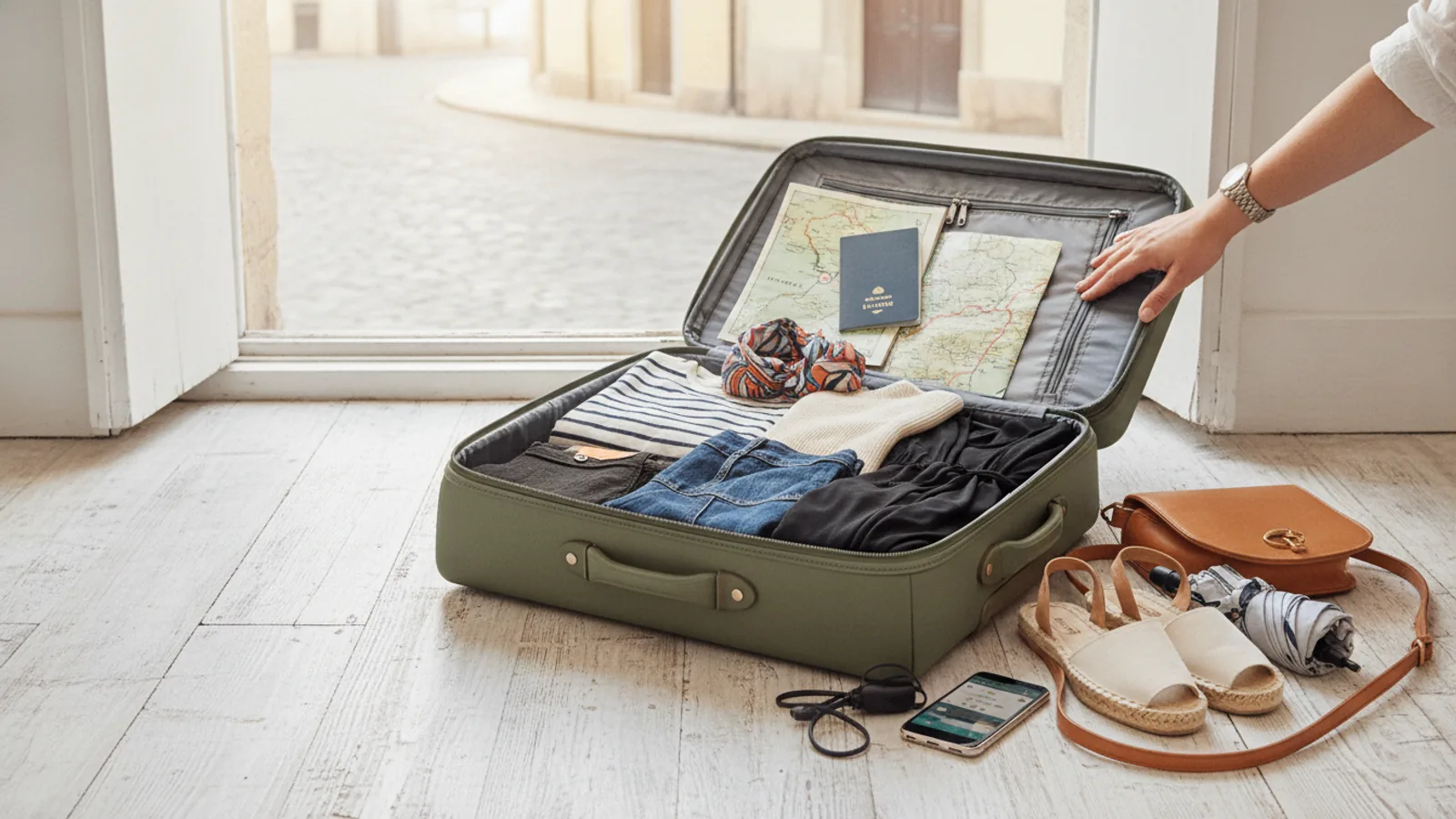
Packing a carry-on wardrobe for a short European trip requires careful planning to stay comfortable, stylish, and prepared for variable weather and cultural norms. This guide helps you check your clothing choices against practical concerns like layering, footwear, fabric performance, and versatility, ensuring you pack only what you need without overpacking.
Fast Answer
- Check the forecast for each city on your itinerary and note daily highs and lows, then plan layers that can adapt to temperature swings and unexpected rain.
- Verify that every top and bottom can mix and match with at least two other items, so you can create multiple outfits from a limited set of pieces.
Before You Start
- Review your itinerary for planned activities—sightseeing, dining, hiking—and list the specific clothing needs for each event, such as comfortable walking shoes or a nicer outfit for an evening out.
- Look up the cultural dress norms for the countries you'll visit (for example, some churches require covered shoulders and knees) and note any items you must include for entry.
- Check the luggage size and weight restrictions for your specific airline and fare class, and measure your carry-on bag to confirm it fits within the published dimensions.
- Use a packing checklist template or app to track what you plan to bring, then cross off any items that are not essential for your trip length and activities.
Step-by-Step Instructions
Check the Forecast and Weather Patterns
Start by checking the detailed weather forecast for every city on your European itinerary, not just the first destination. Look at daily highs and lows, precipitation chances, and wind speeds. This will tell you the temperature range you need to prepare for. For example, a spring day in Paris might start at 10°C and reach 18°C by midday, so you need layers that you can easily add or remove. Also, note that mountain areas or coastal cities can have sudden weather changes, so pack a lightweight waterproof shell even if rain isn't predicted. By knowing the actual conditions, you can avoid overpacking heavy winter coats for mild weather or forgetting a warm layer for cool evenings. This check informs every other packing decision, so do it first and write down the key numbers to guide your choices.
Plan a Capsule Color Scheme
Choose a cohesive color palette of two to three neutrals, plus one accent color that appears in a few accessories like a scarf or a hat. For example, you might pick navy, gray, and beige as your base, with a burgundy scarf as an accent. This approach ensures that every top, bottom, and outer layer can be mixed and matched to create at least four different outfits without looking repetitive. As you select each item, hold it against the others and ask if it goes with at least two other items. If not, leave it home. This color check helps you pack fewer pieces that still offer variety for different occasions and weather conditions. It also simplifies your morning decisions, leaving you more energy for sightseeing.
Prioritize Lightweight, Quick-Drying Fabrics
Examine each potential clothing item's fabric label and favor materials that are lightweight, breathable, and dry quickly, such as merino wool, silk, or synthetic blends like polyester or nylon. These fabrics resist wrinkles, wick moisture, and take up less space in your carry-on. In contrast, heavy cotton jeans and thick sweaters are bulky, slow to dry if you hand-wash them, and can make your bag exceed weight limits. For a short trip, you can wash a few items by hand in a sink and hang them to dry overnight if needed, but only if the fabric dries quickly. This check ensures your wardrobe is practical for travel, allowing you to pack fewer items and extend your outfit options without needing a laundromat.
Calculate Your Layering System
Build a layering system that works for fluctuating temperatures, typically consisting of a base layer, a mid-layer, and an outer shell. For example, you might pack a lightweight merino t-shirt as a base, a cotton sweater or fleece as a mid-layer, and a packable waterproof jacket as the outer layer. On a warm day, you might wear just the t-shirt; on a cooler day, you add the sweater; and in rain, you put on the shell. This system allows you to adapt to temperature changes from morning to evening or from city to city. When packing, check that you have at least one of each layer that can be worn together comfortably, and that the layers fit over each other without feeling bulky. This planning prevents you from bringing separate outfits for every weather event, saving space and weight.
Assess Footwear for Comfort and Versatility
Evaluate each pair of shoes you plan to bring based on comfort for extensive walking, versatility for different activities, and weight in your bag. Save your heaviest walking shoes for wearing on the plane, and pack only one pair of lightweight, comfortable shoes for everyday sightseeing, such as leather sneakers or loafers. If you need dressier shoes for evenings, choose a pair that is also comfortable enough to walk in, like ballet flats or low-heeled boots. This check is critical because sore feet can ruin a trip, and shoes are the heaviest items in your wardrobe, taking up significant space and weight in your carry-on. Limit yourself to two or three pairs total, including the pair you wear, to keep your bag light and flexible.
Verify Cultural and Venue Dress Requirements
Before finalizing your packing list, research the cultural dress codes in the countries you'll visit, especially for religious sites, upscale restaurants, or theaters. Many European churches require shoulders and knees to be covered, so pack a lightweight scarf or shawl that can double as a cover-up. Some opera houses or fine dining venues may expect formal attire, meaning you might need one dressier outfit that isn't too bulky. This check ensures you aren't turned away at the door. It also helps you avoid bringing overly casual or revealing pieces that could make you stand out. By planning for these specific requirements, you can pack items that serve double duty—like a silk blouse that works for both a museum visit and a nice dinner—rather than carrying extras.
Quick Reference
| Situation | Action | Why it helps |
|---|---|---|
| You're at home, the forecast calls for 20°C with possible evening rain, and you're packing for a 4-day trip to one city. | Pack a light t-shirt, a medium-weight cardigan, a packable rain jacket, and one pair of comfortable jeans. | This lets you adjust to the warm daytime and cool evening, plus stay dry if it rains, with only a few pieces. |
| You plan to visit St. Peter's Basilica in Rome on a warm day, and you know there is a dress code. | Bring a large, neutral-colored scarf in your day bag to wrap around your shoulders and cover your knees when entering the church. | This covers the required areas without needing to pack a separate, heavier garment, keeping you comfortable overwise. |
| You're trapped in a downpour and your cotton jacket is soaked, but you need to look presentable for a dinner flight. | Swap your soggy cotton jacket for a lightweight, packable waterproof shell, and wear your merino wool sweater as an insulator. | Merino dries quickly and maintains some warmth even when damp, so you stay comfortable and less wrinkly. |
Common Issues
- Overpacking bulky sweaters that take up too much space and don't layer well.: Choose thin, high-ounce merino wool knits instead of thick cable-knit sweaters, and roll them tightly to save space.
- Packing new shoes that haven't been broken in, leading to blisters and discomfort.: Wear new shoes around the house and on short errands for at least a week before departure, and consider bringing gel insoles.
- Forgetting that some attractions require covered shoulders or knees, and being denied entry.: Always carry a lightweight, opaque scarf in your daypack that you can easily put on or take off as needed.
Advanced Tips
- When rolling your clothing, use packing cubes to compress items and separate clean and dirty laundry, allowing you to fit more and stay organized.
- Weigh your packed bag at home with a luggage scale to ensure it meets airline weight limits, and adjust by wearing your heaviest items like boots or a jacket.
- Consider using a toiletry bag with a built-in hook, and pack a small stain-remover pen and a mini sewing kit for quick fixes on the road.
Final Checklist
- Check the latest weather forecast for each city and update your layering plan accordingly.
- Verify that every top and bottom in your packing list can mix and match to create at least two different outfits.
- Weigh your fully packed carry-on to confirm it fits within your airline's published weight limit for your fare.
- Confirm that you have covered cultural dress requirements for any religious sites or theaters you plan to visit.
FAQ
How can I pack a week's worth of outfits in a carry-on for a European trip?
Choose a capsule wardrobe with a limited color palette, mix-and-match pieces, and lightweight fabrics. Plan to do a small sink wash of essentials like socks and underwear mid-trip. Aim for no more than 5-6 tops, 2-3 bottoms, and 2 layers that all coordinate, plus one pair of comfortable walking shoes and one dressier pair.
What is the single most important item to pack for unpredictable European weather?
A packable, waterproof shell jacket that can be stowed in your daypack. It provides protection from rain and wind, acts as a windbreaker, and can be worn over a light sweater or t-shirt. This one item ensures you're prepared for showers and cool breezes without carrying a bulky coat.
How do I keep my clothing from wrinkling when packed tightly in a carry-on?
Use the bundle wrapping method: place a soft item like a sweater or a t-shirt in the center of a pile, then wrap other items around it to create a compact, cushioned bundle. Alternatively, roll your clothes tightly and use packing cubes to compress them. Choose wrinkle-resistant fabrics like merino or synthetic blends, and hang items promptly after arriving.