Common Mistakes When Planning Choosing A Versatile Coat For Work And Weekends
A practical step-by-step guide to common mistakes when planning choosing a versatile coat for work and weekends, including preparation, instructions, common issues, tips, and next steps.
Common Mistakes When Planning Choosing A Versatile Coat For Work And Weekends
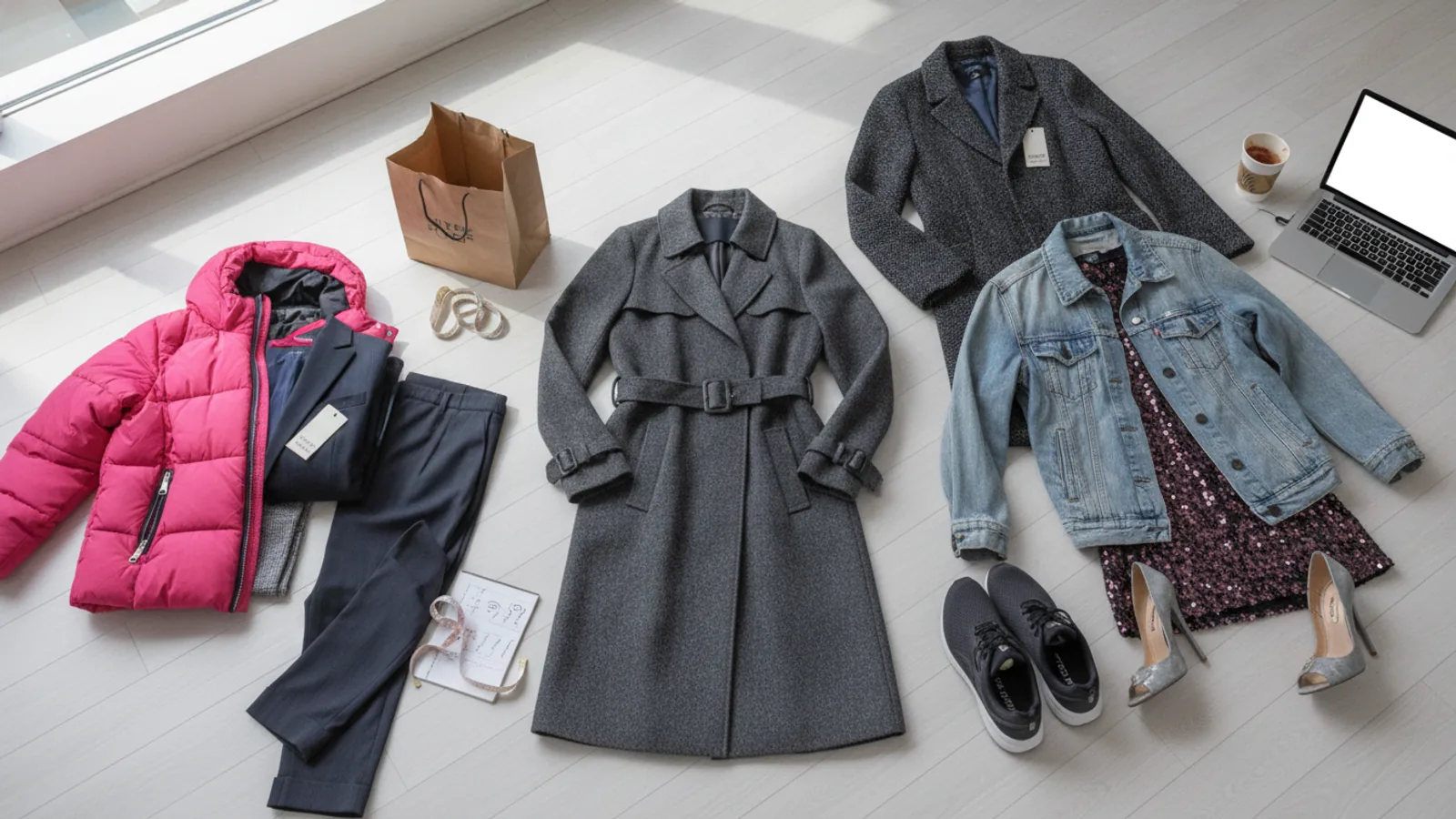
Choosing a versatile coat that works for both work and weekends can feel overwhelming, but most mistakes come from overlooking fabric, fit, and function. This guide helps you avoid common errors by focusing on timeless style, practical details, and easy maintenance. You will learn how to evaluate a coat for your daily commute, casual outings, and everything in between, ensuring you invest in a piece that serves you well for years.
Fast Answer
- Prioritize a mid-weight wool or technical blend in a neutral color like navy, camel, or charcoal, ensuring it fits over layers but allows movement.
- Look for a coat with a simple silhouette, minimal logo, and practical features such as deep pockets, a zip or button front, and a water-resistant finish.
Before You Start
- Check your local climate and typical winter temperatures to decide on insulation weight and whether you need a lining.
- Measure your chest, shoulder width, and arm length, and compare them to the coat's size chart (or measure your favorite jacket for reference).
- List the activities you'll do while wearing the coat, such as commuting, office work, weekend walks, or dining out, to define needed features.
- Examine your existing wardrobe to identify colors and styles you wear often, ensuring the coat will coordinate with most of your outfits.
Step-by-Step Instructions
Assess Your Lifestyle and Climate Needs
Start by thinking about where and when you will wear the coat most. If you commute by bus or walk to work, you need a coat that blocks wind and light rain. If you spend weekends on casual outings, you want something that doesn't look too formal. Also, consider the average winter temperature in your area. For mild winters, a lined trench or a wool-blend coat without heavy insulation is fine. For cold, snowy conditions, look for a coat with a thermal lining or a detachable hood. Write down your top three activities and the typical weather you face. This will guide you in choosing a coat that is neither too heavy nor too light. Check the coat's temperature rating if provided, or look for features like a windproof inner layer. A good rule is to think about the coldest weather you'll encounter and ensure the coat can handle it with layers underneath.
Focus on Fabric Quality and Performance
The fabric determines how warm, durable, and weather-resistant your coat will be. Wool is a natural insulator that breathes, but it may not be waterproof. A wool blend with synthetic fibers like nylon or polyester adds strength and helps shed moisture. For wet climates, a technical shell with a waterproof membrane and sealed seams is important, but ensure it also has some insulation or room for a mid-layer. Check the fabric's weight: a coat that feels heavy is not necessarily warmer—it may be simply dense. Look for a fabric that is tightly woven to block wind, and if you need extra warmth, consider one with a quilted lining. Also, run your hand over the surface to detect any pilling or roughness. A high-quality fabric will feel smooth and substantial. If you are unsure, test the fabric's water resistance by sprinkling a few drops of water on the sleeve; they should bead up rather than soak in. Remember that natural fibers like cashmere require more care, while synthetics often are easier to maintain.
Choose a Timeless and Versatile Silhouette
The silhouette of the coat is crucial for its versatility. A classic tailored coat with a single-breasted front, notch lapels, and a relaxed but defined shoulder works for both professional and casual settings. Avoid overly trendy cuts like oversized shoulders or dramatic flares that may date quickly. Opt for a length that suits your height: a coat that ends just above the knee is universally flattering and allows movement. A shorter coat (hip-length) pairs well with dresses and trousers, while a mid-thigh length is more casual. Ensure the coat does not have excessive branding or loud patterns; a solid neutral color such as navy, beige, or olive will match almost anything. The silhouette should allow you to move your arms freely and cross your arms without strain. When trying on, mimic reaching for a bus handle or carrying a bag to confirm comfort. If you plan to wear the coat over suits, choose a cut that accommodates a blazer without being too tight.
Prioritize Fit and Layering Room
A versatile coat must fit well over your typical work attire and casual layers. When trying on, wear the thickest sweater or blazer you normally would under it. The coat should feel snug but not restrictive; you should be able to button or zip it without pulling. Check the shoulder seams: they should align with the edge of your shoulders, not past them. The sleeves should end at your wrist bone, allowing a little of your shirt cuff to show. The coat's length should be considered with your body proportions; for petite frames, a shorter coat elongates the legs, while taller individuals can carry a longer coat. Also, check the ease in the back; there should be enough fabric to allow a full range of motion without straining. If the coat is too large, you'll lose warmth and it will look sloppy; if too small, it will feel uncomfortable and may restrict movement. Always move around in the coat—raise your arms, bend over, and walk a few steps to ensure it doesn't ride up or pull.
Evaluate Pockets, Closures, and Details
Practical features make a coat truly functional for work and weekends. Look for pockets that are deep enough to hold your phone, wallet, or gloves securely, and that are positioned to be accessible when you sit down. Patch pockets are a casual style, while flapped pockets are more formal. Buttons or a zipper: a zipper offers better wind protection, but buttons are easier to replace if lost. Some coats have a button plus a zipper for maximum versatility. Check for inner pockets—a chest pocket or a hidden pocket is excellent for storing a phone or access card without bulging. Details like a storm flap or a throat latch add weather resistance, while a two-way zipper is useful for sitting or driving. Ensure the collar can be popped for wind protection, and if there is a belt, it should be easy to tie or remove. Also, verify that all zippers glide smoothly and buttons are securely attached. Avoid excessive embellishments like chains or large logos that limit situational use.
Test Maintenance and Care Requirements
A versatile coat should be easy to maintain, or you'll avoid wearing it. Check the care label for cleaning instructions. Many wool coats require dry cleaning, which can be costly and inconvenient. Some modern wool blends are machine washable on a delicate cycle, but always confirm. If you prefer low maintenance, look for a fabric that is stain-resistant and can be wiped clean. Water-resistant coatings (like DWR) can be reapplied at home with a spray. Avoid coats with delicate fabrics like pure silk or intricate beading that will require special handling. Also, consider the coat's color: light colors show stains more easily, while dark colors show lint. If you live in a rainy area, a coat with a breathable waterproof membrane is ideal, as it does not need regular reproofing. Always test the cleaning method on a hidden area first. Store your coat on a sturdy hanger to maintain its shape, and use a garment bag if not wearing it for a season.
Quick Reference
| Situation | Action | Why it helps |
|---|---|---|
| You have a commute that includes walking a few minutes in cold rain. | Choose a coat with a water-resistant shell and a hood that can be tightened, ensuring it covers your head and falls below your hip. | This keeps you dry and warm without needing an extra umbrella, making the walk safer and more pleasant. |
| You often go from a formal work meeting to a casual dinner with friends. | Opt for a classic trench or a simple wool coat in a dark neutral and pair it with a scarf or a knit beanie to dress down. | A versatile coat can change its vibe with accessories; a trench over a tee looks smart, while wool with a chunky scarf is casual yet polished. |
| You plan to travel for a weekend trip and need one coat that works for sightseeing and dinners. | Wear a lightweight puffer or a packable quilted coat that can be compressed into a small pouch and still look neat for dining. | This saves luggage space and avoids needing two coats; it also provides enough warmth for various activities while staying neat. |
Common Issues
- Buying a coat that is too heavy for the climate.: If you live in a moderate climate, choose a mid-weight coat with a removable liner, or one made of a breathable fabric that can be layered over sweaters. Check the warmth rating and think about how often you'll wear it in extreme cold.
- Selecting a coat with a striking pattern or bold color that clashes with your wardrobe.: Stick to neutral or earthy tones like charcoal, olive, and beige, which pair well with most outfits. If you crave color, add a colorful scarf or hat instead, sparing the coat from being too loud.
- Overlooking the ease of cleaning, leading to a coat that requires frequent professional cleaning.: Read the label carefully; choose materials that are either machine washable or easy to spot clean. If you buy wool, plan to dry clean it once a season, or use a fabric spray to freshen it between cleanings.
Advanced Tips
- Consider a coat with a two-way zipper for more freedom when sitting or driving, as it allows you to unfasten the lower half without opening the top.
- Invest in a wool coat with at least 70% wool content for better insulation and durability, but check the care label for proper maintenance.
- If you have a tailored coat, ask a tailor to adjust the waist or back to enhance the fit; a perfect fit makes it more versatile for both formal and casual wear.
Final Checklist
- Does the coat fit over your typical work layers and casual sweaters without being too tight?
- Is the fabric suitable for your local weather, with some water resistance for unexpected rain?
- Does the coat have at least two secure pockets that are convenient for daily use?
- Can you easily clean and store the coat without breaking your routine?
FAQ
What is the best length for a versatile coat?
A coat that ends just above the knee is the most versatile, as it provides good coverage and pairs well with trousers and skirts. For petite individuals, a hip-length coat can elongate the legs, while taller people may prefer a knee-length for a classic look. Avoid mid-calf lengths unless you prioritize maximum warmth over style.
How do I know if a coat will keep me warm without overheating indoors?
Look for a coat with a breathable outer shell and a removable liner. That way, you can adjust the insulation based on the temperature. Alternatively, choose a coat made from breathable natural fibers like wool, which regulates temperature better than synthetics. Also, ensure the coat has a front zipper or buttons that you can open when indoors.
Can I wear a tailored coat for weekend casual outings?
Yes, a well-fitting tailored coat in a neutral color can be dressed down by pairing it with jeans and a knit sweater. Avoid models with sharp shoulders or formal details like velvet collars if you plan to wear it casually. A single-breasted coat with minimal structure looks less formal and works for both settings.