Common Mistakes When Planning Packing A Carry On Wardrobe For A Short European Trip
A practical step-by-step guide to common mistakes when planning packing a carry-on wardrobe for a short European trip, including preparation, instructions, common issues, tips, and next steps.
Common Mistakes When Planning Packing A Carry On Wardrobe For A Short European Trip
Planning a carry-on wardrobe for a short European trip can be tricky. Many travelers overpack, bring bulky items, or forget to consider the local climate and activities. This guide helps you avoid common pitfalls by focusing on versatile, lightweight clothing, smart packing techniques, and a practical checklist. You'll learn how to choose a color palette, mix and match pieces, handle laundry, and prepare for unexpected weather changes. The result is a streamlined, functional wardrobe that fits in a carry-on, leaving room for souvenirs and making your travels easier and more enjoyable.
Fast Answer
- Stick to a neutral color palette (black, gray, navy, beige) so every top works with every bottom, reducing the number of items you need to pack.
- Use packing cubes or compression bags to organize and compress your clothes, saving space and keeping your bag tidy.
Before You Start
- Check the weather forecast for your exact travel dates and destinations to avoid packing inappropriate clothing. Look at daily highs and lows, and note any expected rain or temperature swings.
- List the specific activities you have planned (sightseeing, nice dinners, hiking) and pack only items that serve those purposes. This prevents packing unnecessary 'just in case' clothes.
- Choose a color scheme of 2-3 neutral colors and 1 accent color. This allows you to create many outfits from a few pieces, as all items will coordinate.
- Lay out all potential clothing items on your bed and select only the ones that are versatile, lightweight, and easy to layer. Aim for a mix of casual and dressy pieces that can be dressed up or down.
Step-by-Step Instructions
Check the Weather and Activities
Before you start packing, look at the weather forecast for each day of your trip. This is not just a quick glance; take the time to note the high and low temperatures, precipitation chances, and wind conditions. Also, list all the activities you have planned, such as museum visits, walking tours, nice dinners, or outdoor adventures. This information will help you decide what types of clothing are truly necessary. For example, if you have a formal dinner, you might need one dressier outfit. If you plan to walk a lot, comfortable shoes are a must. By matching your wardrobe to the forecast and itinerary, you avoid packing items you won't wear. This step is crucial because it prevents overpacking, which is the most common mistake travelers make. Keep in mind that weather can change, so include a light layer such as a cardigan or a packable rain jacket. Always leave a little flexibility for unexpected events.
Select a Color Palette and Mix-and-Match Pieces
Choose a maximum of three neutral colors, such as black, gray, and navy, plus one accent color like a warm burgundy or a soft blue. This palette ensures that every top can be paired with every bottom, maximizing outfit combinations. For a 7-10 day trip, you might pack 4-5 tops, 2-3 bottoms, and 1-2 dresses or jumpsuits. Each piece should be able to be worn at least two or three times in different combinations. For instance, a white button-down shirt can be worn casually with jeans or dressier with a skirt. Similarly, a simple black dress can be dressed up with jewelry or down with sneakers. This approach reduces the total number of items while giving you a variety of looks. The key is to avoid packing items with unique patterns or prints that only work with one specific bottom. Stick to solid colors and simple designs that mix well together.
Choose Lightweight Fabrics and Layers
Fabric choice is crucial for a carry-on wardrobe. Opt for lightweight, breathable materials like cotton, linen, merino wool, or synthetic blends that dry quickly and resist wrinkles. Avoid heavy fabrics like thick denim or bulky knits, as they take up too much space and weigh you down. Instead, adopt a layering strategy: pack a few thin layers, such as a t-shirt, a long-sleeve shirt, a light sweater, and a packable rain jacket. This way, you can adjust to temperature changes throughout the day. For instance, in the morning you might wear a t-shirt and a sweater, then remove the sweater in the afternoon. Layering also allows you to mix and match more easily, since each layer is a separate piece that can be combined with others. When packing, roll your clothes tightly to save space and minimize wrinkles. Using packing cubes can also help you organize by category (shirts, pants, underwear) and compress the fabrics.
Limit Shoes and Accessories
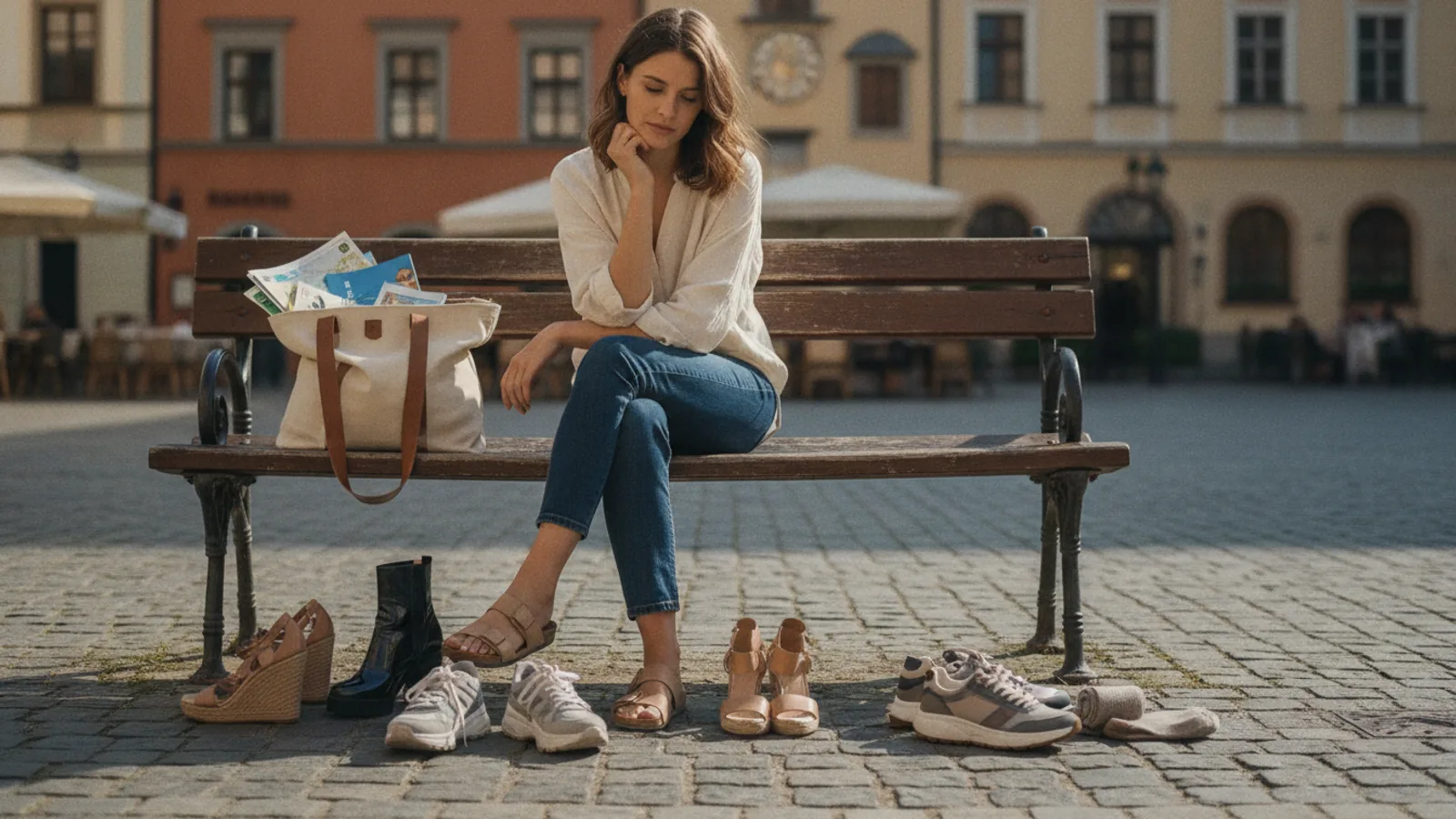
Shoes are often the heaviest and bulkiest items in a carry-on, so it's wise to limit them to two pairs plus a pair of sandals or flip-flops if your trip warrants them. Choose one pair of comfortable walking shoes and one pair that is dressier or more versatile for evenings. For example, you might bring sneakers for sightseeing and loafers or ballet flats that can work for both day and evening. When packing shoes, fill them with socks or small items like underwear to maximize space. Accessories like belts, scarves, and jewelry are small but can add up. Limit yourself to a few key pieces that can change the look of an outfit without taking much space. A scarf can be a great travel accessory—it can keep you warm, dress up an outfit, or even serve as a pillow. By keeping shoes and accessories minimal, you keep your bag light and have more room for other essentials.
Plan for Laundry and Layering
Even for a short trip, you may need to do laundry or reuse items. Many European accommodations have laundry facilities or offer a service, but it's smart to prepare. Pack a small supply of travel detergent or dry shampoo to refresh clothes between wears. You can also hand-wash items in a sink using shampoo or a special travel wash. To avoid needing to wash everything, plan to wear each top two or three times and each bottom three or four times, depending on the climate and your activities. This reduces the amount of clothing you need to pack. When packing, mix pieces that can be layered for warmth, so you can adjust to changing temperatures without carrying heavy outerwear. Remember that some fabrics, like merino wool, are naturally odor-resistant and can be worn multiple times before washing.
Pack Into Cubes or Compression Bags
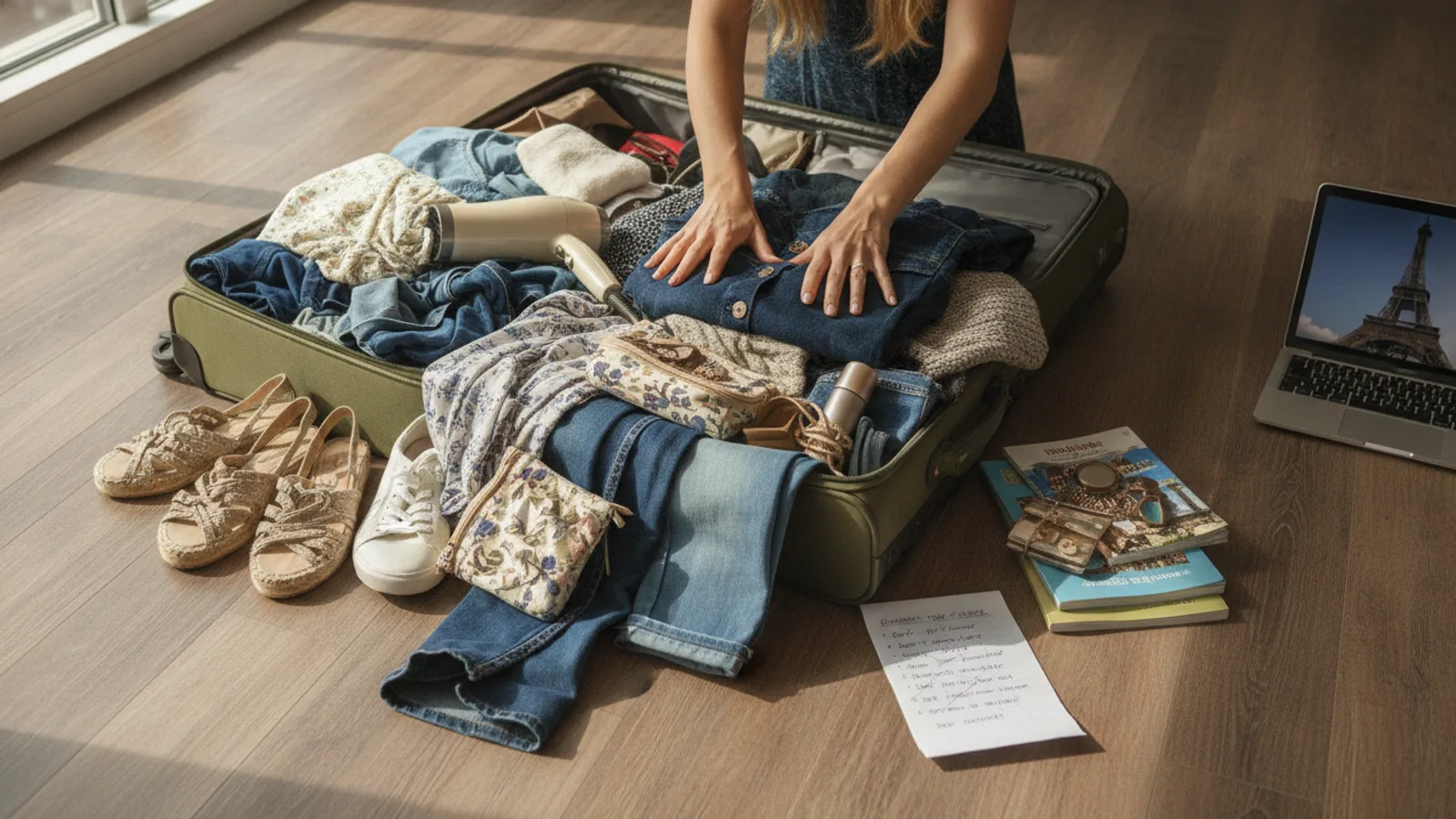
Once you have selected your items, pack them into your carry-on using packing cubes or compression bags. These tools help organize your belongings and compress the air out, saving space. Start by placing heavier items like shoes at the bottom of your bag to keep the center of gravity stable. Use separate cubes for tops, bottoms, underwear, and accessories. This not only keeps your bag tidy but also makes it easier to find what you need without unpacking everything. Roll your clothing to reduce wrinkles and save space. As you pack, do a final check: lay out all the cubes and ensure you have included everything on your checklist. Lift the bag to feel its weight; if it's too heavy, remove unnecessary items. Remember to keep a small carry-on tote or backpack with your travel documents, a change of clothes, and any valuables.
Quick Reference
| Situation | Action | Why it helps |
|---|---|---|
| You are packing for a 5-day trip to Paris with a mix of sightseeing and dinner at a nice restaurant. | Pack 4 tops, 2 bottoms (e.g., one pair of trousers and one pair of jeans), 2 pairs of shoes (comfortable walking shoes and dressy flats), and a lightweight jacket. Choose tops in neutral colors that can be dressed up with a scarf or jewelry for dinner. | This combination provides flexibility: you can mix and match tops with bottoms, and the dressy flats transition from day to night. The lightweight jacket works for cool evenings or uncertain weather. |
| The weather forecast shows sunny days but cold nights, with a chance of rain. | Pack a packable rain jacket, a lightweight sweater or cardigan, and a few t-shirts. Use a layering strategy: t-shirt plus sweater in the morning, remove sweater if it warms up, and add rain jacket if it rains. | Layering lets you adapt to temperature changes throughout the day, and the packable rain jacket protects you from unexpected showers without taking up much space. |
| Your itinerary includes a day trip to a vineyard where you'll be outdoors for several hours. | Wear comfortable walking shoes, a long-sleeve shirt for sun protection, and pack a light scarf to cover your shoulders if entering a winery. Bring a reusable water bottle and a small crossbody bag for your phone and money. | Comfortable shoes are essential for walking on uneven terrain, and the long sleeves protect you from sunburn. A scarf is versatile for both style and modesty, and the crossbody bag keeps your hands free. |
Common Issues
- You packed too many 'just in case' items that you never wore.: Stick to your list and avoid packing items that don't have a clear purpose. Choose versatile items that can be worn multiple times in different ways.
- Your clothes got wrinkled and looked messy in photos.: Choose wrinkle-resistant fabrics like merino wool, nylon, or polyester blends. Roll clothes instead of folding, and use packing cubes to minimize shifting. Upon arrival, hang items in the bathroom while you shower—the steam will help release wrinkles.
- You ran out of clean underwear or socks.: Count the days you'll be away and pack that many pairs, plus one extra. For longer trips, plan to hand-wash and dry items overnight using a travel-size detergent and a clothesline.
Advanced Tips
- Invest in a lightweight, packable down or synthetic jacket that compresses to the size of a water bottle. It provides warmth without bulk and can be used as a pillow on long flights.
- Carry a small, foldable tote bag in your backpack for unexpected souvenirs or groceries. This saves you from purchasing a bag and reduces waste.
- Use a 'one-in, one-out' rule when packing: if you want to bring an extra item, you must remove something else. This keeps your bag at a manageable weight and volume.
Final Checklist
- Check the weather forecast and daily activities to guide your clothing choices.
- Select a color palette of 3 neutrals and 1 accent to maximize mix-and-match outfits.
- Limit shoes to 2-3 pairs and choose lightweight, versatile styles that work for multiple occasions.
- Use packing cubes and roll your clothes to save space and keep your carry-on organized.
FAQ
How do I avoid overpacking for a short European trip?
Start by checking the weather and your itinerary to determine exactly what you need. Then, choose a color palette and select only versatile pieces that can be mixed and matched. Limit shoes to two pairs and avoid bulky items. Use the one-in, one-out rule when uncertain. Finally, lay everything out and remove anything you doubt you'll wear.
What are the best fabrics for a carry-on wardrobe?
Lightweight, wrinkle-resistant, and quick-drying fabrics are ideal. Consider merino wool for odor resistance, nylon or polyester blends for durability, and cotton or linen for breathability. Avoid heavy denim and bulky knits. These fabrics allow you to pack less and stay comfortable in various climates.
Can I pack everything in a personal item or only a carry-on?
Depending on your packing choices, a carry-on is usually sufficient for a short trip. A personal item like a large tote or a 20L backpack may also work if you pack very light. Focus on versatile clothing and minimal footwear. Always check your airline's size restrictions to ensure your bag fits in the cabin.