Common Mistakes When Planning Choosing Comfortable Shoes For A City Weekend
A practical step-by-step guide to common mistakes when planning choosing comfortable shoes for a city weekend, including preparation, instructions, common issues, tips, and next steps.

Common Mistakes When Planning Choosing Comfortable Shoes For A City Weekend
Choosing comfortable shoes for a city weekend requires more than picking a familiar pair. Common mistakes include buying the wrong size, ignoring the day's activities, neglecting break-in time, and overlooking foot support. This guide helps you avoid those pitfalls by focusing on fit, function, and preparation. You'll learn how to measure your feet correctly, match shoes to your itinerary, break them in safely, and pack backups. By the end, you'll have a clear plan to keep your feet happy through long walks, standing, and varied surfaces. Remember that comfort is personal—what works for one person might not work for you. Test thoroughly and listen to your body. A little planning goes a long way in preventing blisters, sore feet, and a ruined trip.
Fast Answer
- Buy shoes with a thumb's width of space between your longest toe and the shoe's end, and try them on in the afternoon when feet are slightly swollen.
- Match your shoes to your planned activities: if you'll walk over 8 kilometers a day, choose lightweight, cushioned sneakers or walking shoes with good arch support.
Before You Start
- Measure both feet at home in the afternoon using a ruler and paper, because feet swell during the day and one foot is often larger.
- Write down your daily itinerary: how many hours you'll walk, what surfaces (cobblestones, pavement, trails), and any standing events like concerts or museum queues.
- Consider the weather forecast and the type of socks you'll wear, as thick socks need extra room and wet conditions require water-resistant materials.
- Check the return policy of the store before buying, so you can walk on the shoes at home and return them if they don't feel right after a short trial.
Step-by-Step Instructions
Assess Your Weekend Footwear Needs
Begin by making a list of every activity you've planned for the weekend: walking tours, museum visits, meals out, maybe a concert or a hike. For each, estimate the amount of time you'll be on your feet. For instance, a museum visit might involve two or three hours of standing and slow walking, while a city tour could be five hours of brisk walking. Write down the surface types too—cobblestones are harder on feet than smooth pavement. Then, think about the weather: will it be rainy or hot? This assessment helps you decide how many pairs of shoes to bring and what features they need, such as grip, water resistance, or breathability. Without this step, you risk bringing only one pair that's suitable for one part of the day but not the rest. Practical check: list at least three different scenarios and rank them by the strain they'll put on your feet.
Measure Your Feet Correctly
Even if you think you know your shoe size, your feet can change over time. To get an accurate measurement, place a piece of paper on a hard floor, stand on it with your weight fully distributed, and trace the outline of each foot. Measure the length from the heel to the longest toe and the width at the widest part. Use a ruler or measuring tape. Do this in the afternoon, because feet swell throughout the day. Write down both measurements and compare them to a sizing chart, but remember that sizes vary between brands. The length measurement tells you the size, but the width is crucial: if your foot is wider than average, you'll need a wide fit. Practical check: measure both feet, and if one is longer, buy shoes that fit the longer foot—you can always add an insole to the shorter side. This prevents the common mistake of buying a size that's too small for one foot, leading to blisters and discomfort.
Choose the Right Shoe for Your Activities
Now that you know your measurements and activities, select shoes that match the demands. For city walking on pavement, look for shoes with a cushioned sole, good arch support, and a flexible sole that allows natural foot movement. If you'll be on cobblestones or uneven terrain, choose shoes with a lugged or textured outsole for traction. Avoid high heels, flats without support, or shoes with heavy materials, as they'll cause fatigue. Also, consider the closure: laces offer a more adjustable fit than slip-ons, which is helpful if feet swell. Many people make the mistake of choosing style over function, but you can find attractive sneakers or walking shoes that look good. If you need a dressier option, pack a pair of low-heeled boots with a padded insole. Practical check: rate each planned activity for walking distance and surface, then match the shoe's features to the most demanding activity.
Try On Shoes with the Right Socks
When you go to the store or receive online orders, try on the shoes with the exact socks you'll wear during the weekend. Many people try on without socks, leading to a fit that's too tight. Wear the socks you plan to use for walking, and walk around the store for at least ten minutes. Pay attention to the heel: it should not slip more than a quarter inch. The toe box should have about a thumb's width of space between your longest toe and the front of the shoe. Also, check the width: your foot should not bulge over the sides. If the shoe has laces, adjust them to see how the fit changes. Practical check: perform a few lunges and walk up and down stairs if possible, to simulate real movement. This helps you detect any pressure points that might become blisters.
Break In Your Shoes Properly
Never wear a brand-new pair of shoes for a full day of city walking. Even shoes that feel comfortable need a breaking-in period to soften and mold to your feet. Start by wearing them around the house for an hour each day for several days. If they still feel stiff, try wearing them for short walks outside. During this period, use bandages or blister plasters on any pressure points before they become raw. Also, assess the shoe's flexibility: you should be able to bend the shoe at the ball of the foot, but it should not fold completely in half. If the shoe pinches or rubs, stop and reassess—it might not be the right pair. Practical check: after a week of short wear, increase to a two-hour walk on a weekend, and inspect your feet for red marks. If you have hot spots, that's a sign you need a different size or style.
Pack a Backup Pair and Footcare Kit
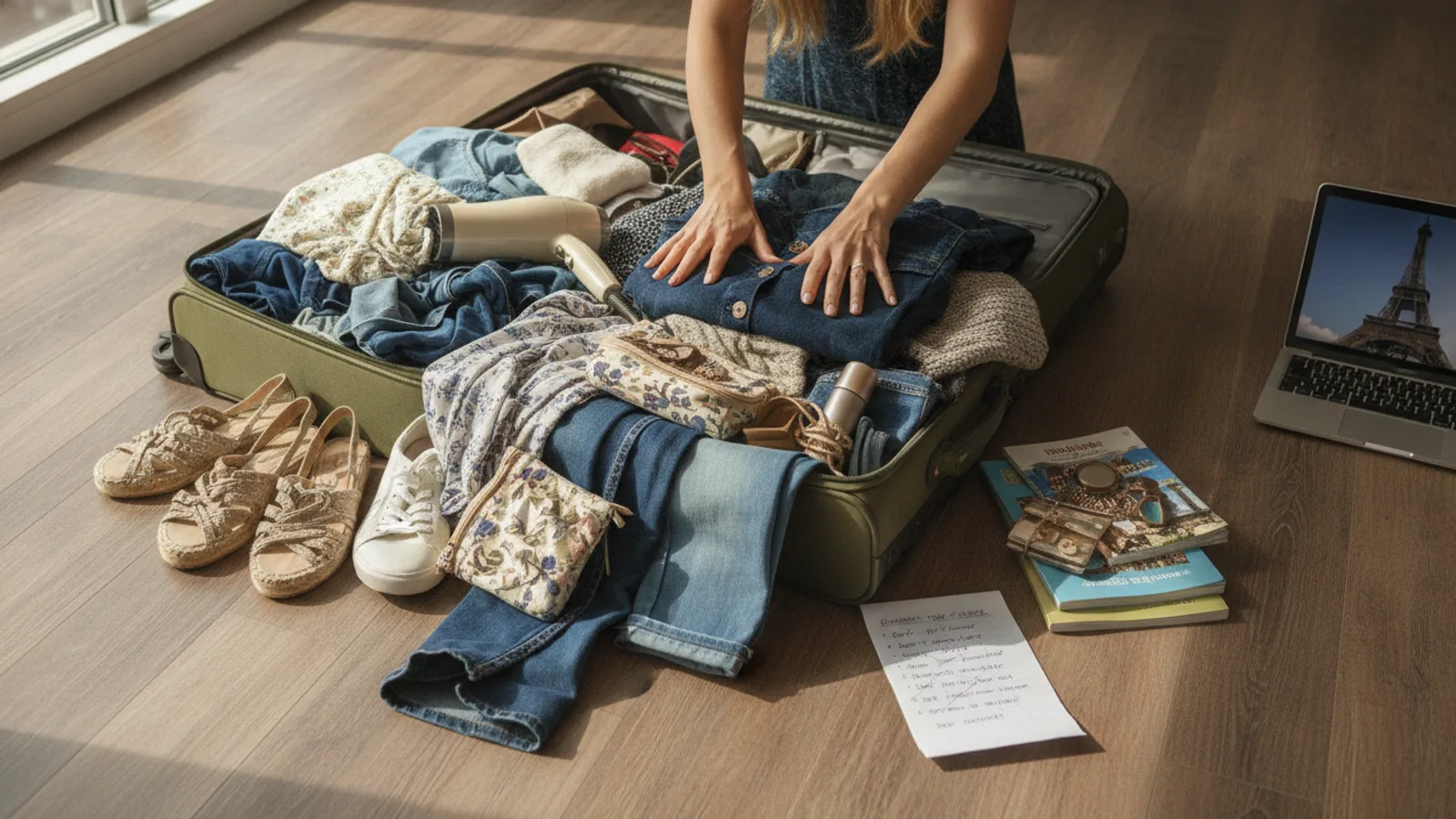
Even with a perfect pair, it's wise to bring a second pair of shoes for the weekend. This allows you to alternate and gives your feet a break from one type of shoe. Choose a backup that is lighter or has a different structure, like a pair of sandals with arch support or foldable flats. On the day, start with the sturdier pair, and switch to the backup in the evening if your feet feel tired. Also, pack a small footcare kit: blister bandages, moleskin, foot cream, and spare socks. If you develop a blister, treat it immediately to prevent infection. Practical check: before you leave, make sure the backup shoes are also broken in, and test them for a short walk. This way, you have a functional alternative if the primary pair fails or gets wet.
Quick Reference
| Situation | Action | Why it helps |
|---|---|---|
| Walking over 10 kilometers in a day on city streets | Wear lightweight, cushioned walking shoes with breathable mesh and a flexible sole, and bring a second pair to alternate. | Cushioning absorbs impact on hard pavement, and alternating shoes reduces repetitive stress on joints and prevents blisters. |
| Standing for hours at a concert or museum | Choose shoes with a thicker, shock-absorbing sole and good arch support, and consider adding gel insoles for extra comfort. | Standing places more pressure on feet than walking, so extra cushioning and arch support help reduce fatigue and pain. |
| Experiencing heel slippage when walking in new shoes | Tighten the laces using a heel-lock technique: thread the laces through the top eyelets to create a lockdown, or try a half-size down if needed. | Heel slippage causes friction and blisters, and a snug fit ensures stability and prevents your foot from sliding forward. |
Common Issues
- Blisters on the heel or toes: Apply a blister bandage or moleskin to the hot spot before it becomes a blister. Also, check that the shoe is not too loose or too tight; adjust lacing or replace with a better-fitting pair.
- Foot fatigue after a few hours: Take short breaks to sit and elevate your feet. Also, consider adding supportive insoles and rotating between two pairs of shoes to give your feet rest.
- Toe numbness or tingling: This often indicates shoes that are too narrow. Try a wider width or a shoe with a roomier toe box. Also, loosen laces over the instep to relieve pressure on nerves.
Advanced Tips
- Use custom-made orthotic insoles if you have overpronation or flat feet, but get a prescription from a podiatrist to ensure a proper fit.
- Consider moisture-wicking socks made from merino wool or synthetic blends to prevent sweaty feet and blisters, especially in warm weather.
- If you're in between sizes, go with the larger size and use a heel grip or an insole to take up extra space, rather than buying a tight fit.
Final Checklist
- Measure your feet and try on shoes in the afternoon with your walking socks.
- Choose shoes that match your most demanding activity, with enough toe room and a secure heel.
- Break in your shoes gradually before the weekend and test them for at least a two-hour walk.
- Pack a backup pair of broken-in shoes and a footcare kit with blister bandages and molefoam.
FAQ
How much space should I leave in the toe box for walking shoes?
You should have about a thumb's width (roughly 1 to 1.5 centimeters) between your longest toe and the front of the shoe. This extra space allows your foot to move forward slightly when walking, preventing toe jamming and blisters. Too little space leads to pressure on the toes, while too much causes the foot to slide and friction.
Can I wear stylish boots for a city weekend if I'm doing a lot of walking?
Yes, but only if the boots have a low heel (under 2 centimeters), a cushioned insole, and a traction outsole. Ensure the sole is flexible at the ball of the foot, and break them in well. If you plan to walk more than a few kilometers, consider bringing a lighter pair for backup, as heavy boots can tire your legs.
What should I do if my feet swell significantly during the afternoon?
If you know your feet swell, factor that into sizing—try on shoes in the afternoon and allow extra room. Wear shoes with adjustable laces or straps so you can loosen them as needed. Also, take breaks to elevate your feet, and carry a pair of compression socks to wear at the end of the day to reduce swelling.