How To Choose A Practical Handbag For Commuting And Travel
A practical step-by-step guide to how to choose a practical handbag for commuting and travel, including preparation, instructions, common issues, tips, and next steps.
How To Choose A Practical Handbag For Commuting And Travel
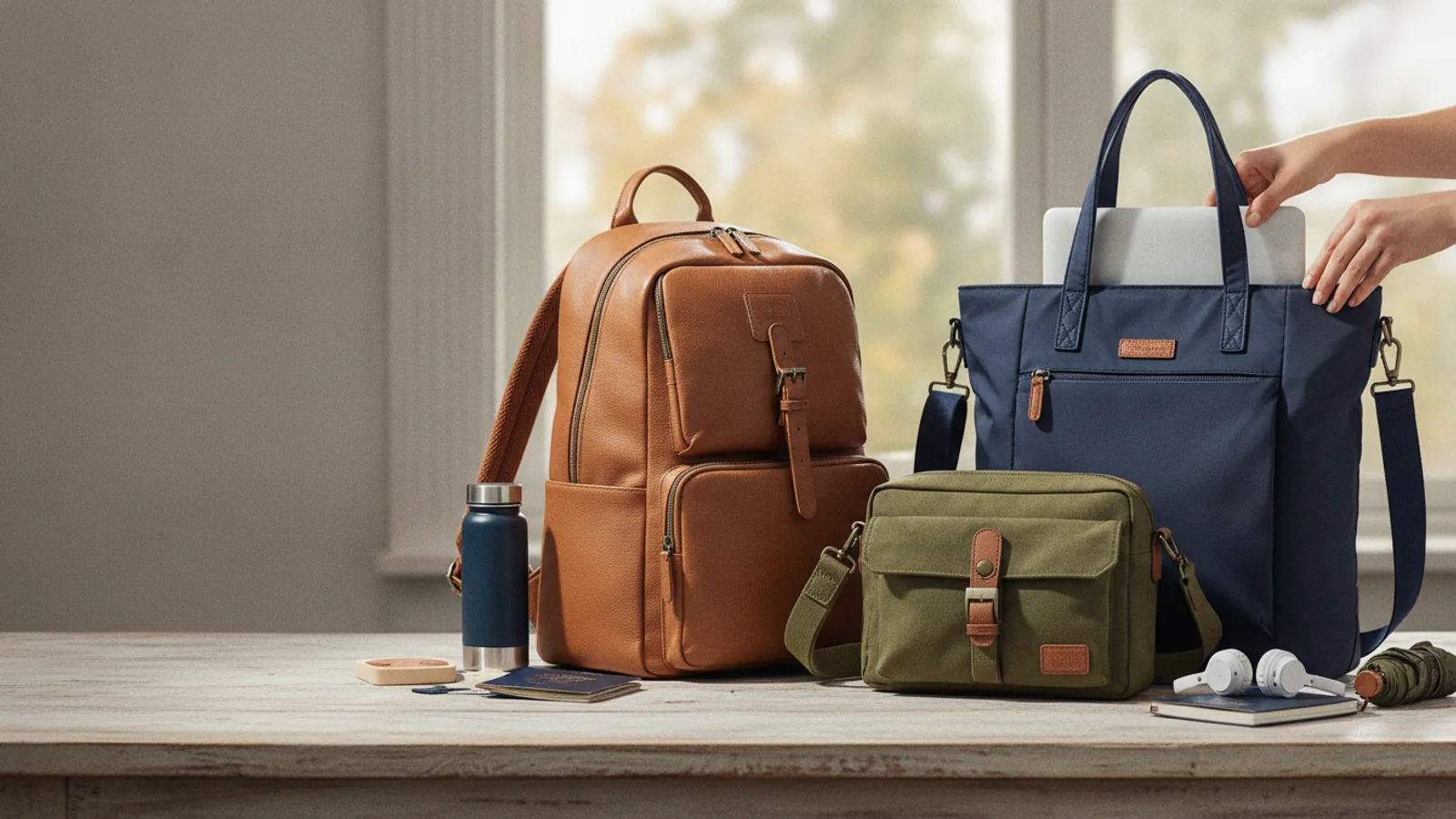
Choosing a practical handbag for commuting and travel means balancing weight, organization, security, and durability. A well-chosen bag protects your essentials, keeps them accessible, and reduces strain on your body. This guide helps you evaluate size, compartments, materials, and carrying style to match your daily routine and occasional trips, ensuring you invest in a bag that serves you for years without unnecessary bulk or discomfort.
Fast Answer
- Pick a bag no larger than your torso, with padded straps and a weight under 3 pounds when empty, to avoid strain during long commutes.
- Choose a bag with at least three interior pockets and a secure closure (zip or flap) to keep items separated and protected from pickpockets.
Before You Start
- Measure your daily carry items (laptop, tablet, lunch, water bottle) and estimate their total weight to determine the size and structure you need.
- List the travel situations you'll use the bag for, such as airport security, crowded trains, or rainy walks, to decide on compartments, zippers, and water resistance.
- Check the bag's strap length and padding; ensure it can adjust to fit your body height and preferred carrying position (shoulder, crossbody, or backpack).
- Inspect the material by reading labels; look for nylon, canvas, or leather with a water-repellent finish, and test the zippers and stitching for durability.
Step-by-Step Instructions
Assess Your Daily and Travel Essentials
Start by gathering everything you normally carry on a workday or trip: laptop, charger, wallet, keys, water bottle, snacks, notebook, and any personal items. Place them on a table and note their dimensions and total weight. This list becomes your sizing blueprint. For commuting, you might need a bag that fits a 13-inch laptop; for travel, you may need space for a tablet, a book, and a compact umbrella. Also consider items you add on trips like a passport or a travel pillow. Write down the maximum number of items you'll carry. Once you have this list, measure the height, width, and depth of the largest item (usually a laptop) to set minimum internal dimensions. This step prevents buying a bag that is too small or unnecessarily large. A practical check is to place your items in a cardboard box with roughly the dimensions you think you need, then see if everything fits without squishing. The reason this matters is that an accurate sizing check avoids the common mistake of carrying a bag that bulges at the seams, which can stress zippers and make access awkward.
Choose the Right Bag Style for Your Commute
The style of your handbag affects how you carry it and how it suits different situations. For commuting, a backpack or crossbody bag distributes weight evenly and keeps hands free, ideal for cycling or using public transit. Tote bags are stylish but can put all weight on one shoulder, leading to discomfort. If you prefer a shoulder bag, choose one with a wide, padded strap. For travel, a bag with a luggage sleeve (a strap that slides over a suitcase handle) is practical. Also consider the opening: a top-zip backpack is secure but may require unpacking to reach items; a flap-top with magnetic closure offers quick access but less security. Think about how often you need to access your phone or transit card; a front quick-access pocket is a plus. Your choice should align with your daily routine: if you walk a lot, a backpack reduces strain; if you use a briefcase, a structured tote might be more professional. A practical check is to wear the bag for at least 10 minutes with your usual items to gauge comfort. The reason this matters is that the wrong style can cause back pain or make you fumble for essentials in crowded places.
Evaluate Interior Organization and Compartments
A practical bag should have a thoughtful layout: at least one padded compartment for electronics, two slip pockets for small items, and a zippered pocket for valuables. This prevents your keys from scratching your phone and allows quick access without digging. Look for a key leash or a dedicated sunglasses pocket. For travel, a panel that separates dirty shoes from clothes can be useful, but not essential. Consider how many compartments you actually need; too many can add weight and encourage clutter. A simple rule is to have one main compartment, one padded laptop pocket, and one or two front pockets. When evaluating a bag, open it fully and imagine reaching for your items while carrying it on one shoulder. A practical check is to zip and unzip all zippers to see if they operate smoothly, and ensure the main opening is wide enough to see the bottom. The reason this matters is that poor organization leads to wasted time and frustration, especially when you are rushing for a train or trying to find your passport at the airport.
Assess Material Durability and Weather Resistance
The material of your bag determines how well it withstands rain, wear, and spills. Common materials include nylon, canvas, and leather. Nylon is lightweight and water-resistant, making it ideal for travel; canvas is durable but may require a water-repellent spray; leather is classic but can be heavy and needs conditioning. Check the fabric's denier (a measure of thickness) for nylon - a higher denier means more durability, but also more weight. Look for coating like polyurethane that improves water resistance without adding bulk. Inspect the stitching: it should be tight and even, with reinforced seams at stress points like handles and straps. Test the zippers by opening and closing them several times; they should not snag. Also check the hardware, such as buckles and clips, for rust resistance. A practical check is to sprinkle a few drops of water on the bag's surface to see if they bead up or soak in. The reason this matters is that a bag that falls apart or lets rain damage your electronics is not practical, no matter how stylish it is.
Consider Carrying Comfort and Ergonomic Design
Comfort is crucial for a bag you'll wear daily. Padding on the shoulder straps or back panel reduces pressure. For backpacks, look for a sternum strap or a waist belt to distribute weight better. The bag's weight distribution is also affected by its shape: a tall, narrow bag is easier to carry than a wide, flat one because it keeps the load close to your spine. Try on the bag with weight inside and adjust the straps to fit snugly. For crossbody bags, make sure the strap is long enough to adjust to your height and that it doesn't chafe your neck. For tote bags, a longer handle drop allows you to carry it over your shoulder, but make sure it doesn't slip off. The material of the straps matters - soft nylon or leather is gentler than rough polyester. Also consider whether you need a bag that converts from tote to backpack for versatility. A practical check is to walk for a few minutes with the bag loaded, noting any pressure points or swaying. The reason this matters is that a heavy bag that digs into your shoulder can cause pain and long-term posture issues.
Inspect Security Features to Protect Your Valuables
Security features are an important aspect of practical handbags, especially in crowded areas. Look for lockable zippers, hidden pockets against the back, and RFID-blocking material to prevent digital theft from cards. Some bags have slash-resistant straps that make it difficult for thieves to cut and run. Also consider how you carry the bag: a crossbody style with the bag in front of you is more secure than a tote that hangs behind you. For travel, a bag with an external clip to attach to a chair or table can deter theft. Check if the zippers can be locked together with a small padlock, and if the main compartment has a separate pocket for your passport. A practical check is to try to unzip the main pocket while the bag is on your shoulder - if it opens easily, it might be a target. The reason this matters is that losing your wallet or passport while commuting or traveling can ruin your day or trip, and a few seconds of prevention can save hours of hassle.
Quick Reference
| Situation | Action | Why it helps |
|---|---|---|
| You are going through airport security and need to unpack a laptop quickly | Choose a bag with a sleeve that unzips flat to 180 degrees so the laptop can be placed in a bin without removing the whole bag. | This saves time and reduces the chance of dropping your laptop or forgetting items on the belt. |
| You will be walking in rain and want to protect your electronics | Use a bag with a water-repellent coating and also put your electronics in a ziplock bag or a dry pouch inside. | Extra protection ensures that even if the outer material wets, your valuable devices stay dry. |
| You are in a crowded market and worry about pickpockets | Wear the bag crossbody style with the main zipper facing your body, and keep your hand on the bag as you walk. | This makes it difficult for a thief to open the bag without you noticing. |
Common Issues
- Bag straps slip off your shoulder constantly: Adjust the strap length to be shorter and add a shoulder pad or use a crossbody style that distributes weight diagonally.
- You always forget where you put your keys in the bag: Attach a small carabiner or a key leash inside a specific pocket, and always place your keys there, so they are findable instantly.
- Your bag gets wet from your water bottle leaking: Use a leakproof bottle and place it in a dedicated side pocket outside the main compartment; if not available, wrap the bottle in a dry bag.
Advanced Tips
- Select a bag with a structured bottom so it stands upright, making packing and unpacking easier in tight spaces like train aisles.
- If you often switch between commuting and business meetings, choose a neutral color (black, navy, or taupe) that doesn't show dirt and matches all outfits.
- For travel, pack a few compression cubes to reduce bulk; they also help you keep dirty clothes separate from clean ones.
Final Checklist
- Make sure the bag fits your daily items without stretching or overstuffing.
- Verify that the bag has at least one secure zippered pocket for valuables.
- Check that the straps are padded and adjustable for comfortable carrying.
- Confirm that the material repels water or that you have a rain cover.
FAQ
Should I buy a bag with a dedicated laptop compartment?
Yes, a dedicated padded laptop compartment is essential if you carry a computer. It protects your device from bumps and keeps it separate from other items, which also speeds up airport security checks. Make sure the compartment fits your laptop's screen size and has a secure closure, such as a zipper or a velcro strap.
How can I keep my bag organized when I have many small items?
Use small pouches or packing cubes to group similar items like chargers, headphones, and toiletries. Within the bag, assign a home for frequently used items like your phone in a specific pocket. Regularly declutter at the end of each week to remove receipts and trash, and consider a bag with multiple internal pockets to give everything a place.
What is the best carrying style for long trips or walking?
A backpack style distributes weight evenly across both shoulders and your hips, reducing strain. If you prefer a handbag, choose a crossbody bag with a wide strap to balance weight. Ensure the bag is not too heavy when fully packed; try to keep the load close to your back to maintain good posture.