How To Plan A European Capsule Wardrobe For A Changeable Season
A practical step-by-step guide to how to plan a European capsule wardrobe for a changeable season, including preparation, instructions, common issues, tips, and next steps.
How To Plan A European Capsule Wardrobe For A Changeable Season
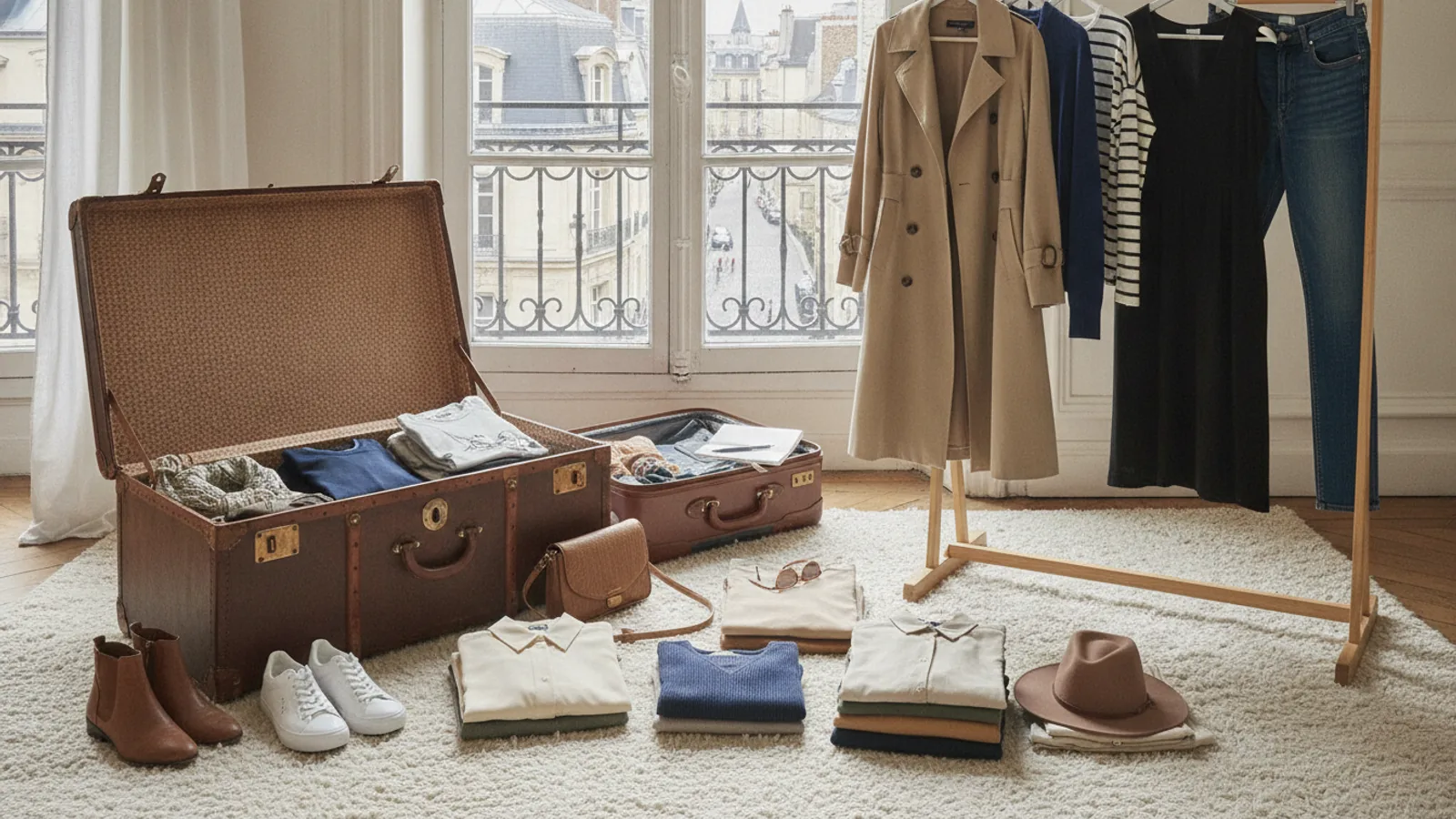
Planning a European capsule wardrobe for a changeable season means building a small set of versatile pieces that layer well and adapt to sudden shifts in temperature, rain, wind, and sunshine. Focus on neutral base colors, mix-and-match separates, and fabrics that breathe but also insulate. Choose items that can be dressed up or down, and always include a compact waterproof layer. This guide walks you through assessing your climate, selecting a color palette, choosing core garments, optimizing layering, packing efficiently, and refining your wardrobe over time, so you can travel lightly while staying comfortable and stylish.
Fast Answer
- Focus on building a small collection of 25-30 mix-and-match pieces in a neutral color palette, emphasizing lightweight layers like merino tops, a mid-layer fleece, a waterproof shell, and a stylish scarf that can handle both cool mornings and mild afternoons.
- Plan each outfit by combining three layers: a moisture-wicking base, an insulating middle like a knit sweater or cardigan, and a weather-resistant outer layer. Choose versatile bottoms like dark jeans or wool trousers, and add a pair of comfortable shoes that work for both walking and casual dinners.
Before You Start
- Research the typical weather patterns for the European regions you plan to visit during that month, noting average high and low temperatures, rainfall probability, and typical wind conditions, so you can choose appropriate fabrics and layer weights.
- Make a detailed list of planned activities, such as city walking, museum visits, countryside hiking, or evening dining, to determine how formal or casual your wardrobe needs to be and which items can multitask.
- Choose a cohesive color palette of three neutral tones (like charcoal, beige, and denim blue) plus one accent color, ensuring every top and bottom can mix with at least two other items to create many outfits.
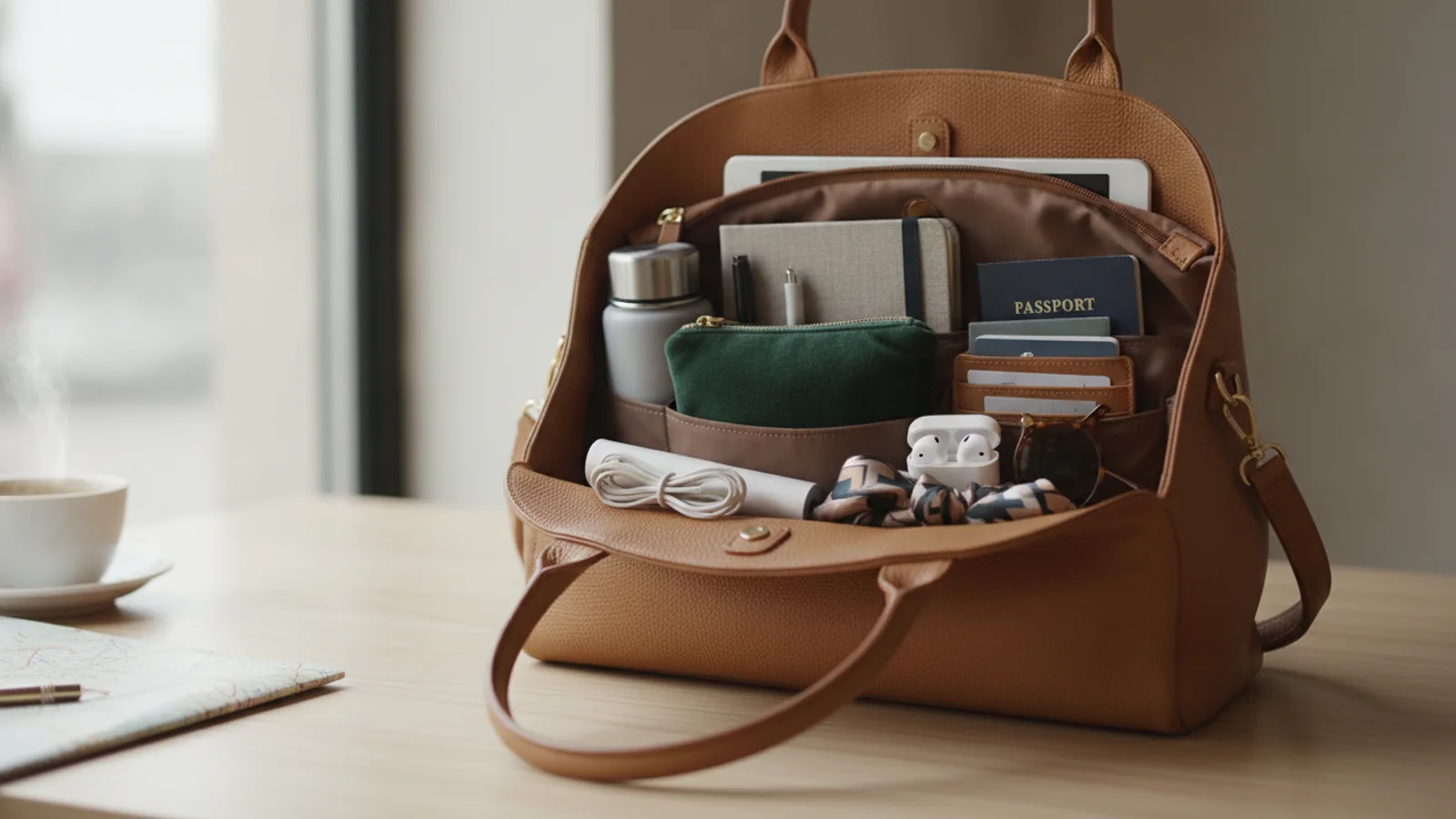
- Gather key accessories that can alter warmth or style: a lightweight scarf, a packable hat, thin gloves, and one pair of comfortable, versatile shoes like leather sneakers or ankle boots that withstand light rain.
Step-by-Step Instructions
Assess the Climate and Your Itinerary
Start by researching the specific climate of the regions you will visit during your travel dates. In Europe, weather can vary dramatically even within the same country due to latitude and altitude. For example, coastal areas may have milder temperatures and sea breezes, while mountainous regions can be cooler and rainier. Check reliable weather resources for average temperatures and precipitation levels, but also be aware that conditions can change quickly. Look up typical day and night temperature ranges, and note how often it rains. Next, review your planned activities: city tours, countryside hikes, and evening dinners each demand different dress codes. Make a list of all the occasions you need to be dressed for, and write down the expected temperature for each time of day. This will help you decide whether you need a heavy coat or just a light jacket. It also guides the number of layers you need to bring. By doing this, you avoid packing heavy cold-weather gear for a mild Mediterranean spring, or thin cotton tops for a rainy Nordic autumn. Instead, you build a capsule that matches the reality of your trip.
Select a Versatile Color Palette
Choose three to four neutral colors that can easily mix and match, such as charcoal gray, beige, olive green, and a mid-blue denim. These tones are timeless and work well across many European settings, from urban streets to rural landscapes. Add one accent color like mustard, burgundy, or rust to bring interest to outfits without overwhelming the palette. When you build your capsule, ensure every top and bottom are in one of these colors, so that any top works with any bottom. This visual coherence allows you to create numerous outfits from few pieces. Also, choose colors that hide typical travel stains and minor wear, such as dark denim or gray trousers. Avoid stark white or bright pastels that show dirt easily. Additionally, consider the colors of your accessories—scarves, hats, and bags—and coordinate them with the palette. By limiting your colors, you reduce the mental load of getting dressed and ensure you always look put-together. You also enable mixing and matching without checking if something 'goes.'
Choose Core Garments for Layering
For the base layer, pack two to three tops made from materials that wick moisture and dry quickly, such as merino wool, silk, or a synthetic blend. These fabrics help regulate body temperature when you move between heated indoors and cool outdoor air. For the middle layer, select one or two lightweight sweaters, cardigans, or fleece jackets that provide insulation without bulk. Fleece is excellent for active days, while a knit cardigan suits a relaxed dinner. For the outer layer, invest in a water-resistant and windproof jacket that can be packed into a small pouch. A trench coat or a shell jacket with a hood is ideal because it handles rain and wind without being too heavy. For bottoms, bring one pair of dark jeans, one pair of wool or synthetic trousers, and perhaps a skirt or dress for women if desired. Dark colors hide dirt and are suitable for most occasions. Also include a light scarf that can double as a blanket on a plane or an extra neck warmer. The total number of garments should be around 25-30, including shoes and accessories, but the key is that each item serves multiple purposes and layers well with the others.
Optimize Layering for Temperature Swings
To handle a day that starts cool, gets warm, then cools again, plan your layers in this order: base, insulating middle, outer shell. In the morning, wear all three. As temperatures rise, remove the middle layer and tie it around your waist or pack it in your daypack. By late afternoon, put it back on. The outer shell should always be with you because it provides protection from unexpected wind and rain. This system allows you to adjust your temperature without changing your outfit completely. Practice layering at home before your trip: put on your full outfit and move around to ensure you're not too hot or too constrained. Then, remove layers and check that you can comfortably carry the removed items in a small backpack. Also, consider the temperature indoors; many European buildings and trains are not as heated as American ones, so a layer might be needed even inside. A good rule of thumb is to pack for the average temperature but bring materials that can be added or removed, like a silk base layer that is thin enough to wear under a T-shirt or a packable down vest.
Pack and Organize Your Capsule
Use packing cubes or compression bags to organize your capsule into categories: base layers, mid layers, outer layers, bottoms, and accessories. Roll each item rather than folding to save space and reduce wrinkles. Place the heaviest items, like jeans and jackets, at the bottom of your bag to balance the weight. Put shoes in a separate bag or stuff them with socks to save space. When you arrive at your accommodation, unpack everything and hang foldable items in a closet to allow wrinkles to release. For the first day, prepare a 'travel outfit' that includes comfortable layers and comfortable shoes. Keep your outer layer accessible for quick changes. Always pack a small laundry kit like a sink stopper, travel detergent, and a clothesline, so you can wash your base layers mid-trip if needed. This is crucial for a capsule wardrobe because you have fewer items, and keeping them fresh extends your outfit combinations. You can also carry a small fabric freshener or alcohol-free deodorizing spray to refresh items between washes.
Refine and Adjust During Your Trip
Once you are in Europe, pay attention to how your capsule performs. After the first two or three days, you'll notice which items you reach for repeatedly and which ones stay untouched. Don't be afraid to adjust. If you find that you are always cold in the mornings, use your scarf as an interior layer or buy a cheap thermal top from a local store. If it is rainier than expected, purchase a lightweight packable poncho, which can fit in your daypack. Conversely, if you have too many warm layers, you can send home unworn items in a small parcel to lighten your load. Keep a note on your phone of the outfits you actually wear and any gaps, such as needing a dressier top for a restaurant. After each week, reassess what you have and what you truly need. This proactive adjustment ensures that your capsule remains functional for the entire trip. Also, take photos of each outfit combination so you can quickly decide what to wear without trying things on. Use your laundry kit to wash base layers so you can cycle through a smaller number of tops.
Quick Reference
| Situation | Action | Why it helps |
|---|---|---|
| Morning temperature is 50°F and afternoon is 70°F. | Wear a long-sleeve merino base, a lightweight knit sweater, and a packable shell jacket. As it warms, take off the shell and then the sweater, tying the sweater around your waist or over your shoulders. | This three-layer system lets you adjust without removing your entire outfit, keeping you comfortable during temperature swings and preventing overheating. |
| Light rain showers are forecasted for the afternoon. | Ensure your outer jacket is water-resistant and has a hood. If not, pack a compact poncho or umbrella in your daypack, and wear quick-drying synthetic mid layers instead of cotton. | Staying dry preserves comfort and prevents you from getting chilled. Quick-drying fabrics avoid the dampness that clings to cotton and can make you cold even in mild weather. |
| You have a nice dinner at a restaurant after a day of sightseeing. | Choose a dark pair of trousers and a crisp shirt or blouse, and dress them up with a silk scarf or a statement necklace. Switch from walking shoes to a pair of clean leather loafers or heels, if you brought them. | This transforms a daytime outfit into something appropriate for an evening venue without needing a complete change of clothes, saving space in your luggage. |
Common Issues
- You overpacked bulky sweaters and don't have room for a rain jacket.: Send home the bulkiest sweater or replace it with a thin merino wool sweater that layers better. Perform a daily 'layering test': put on all your layers and ensure you can move comfortably and pack them into a small bag. If you can't, leave one item behind.
- Your capsule lacks a bottom that works for both hiking and a city dinner.: Add a pair of dark, technical trousers made from stretchy fabric that look casual but can be dressed up with a tunic or smart top. Alternatively, wear your hiking pants on travel days and change into jeans for evenings, packing a small bag to carry the switch.
- You feel unprepared because the weather turned colder than expected.: Visit a local clothing store and buy a lightweight but warm layer like a down vest or a thermal top. Use your scarf and gloves effectively. Also, wear thin thermals under your regular base to add insulation without bulk. This is a cost-effective solution and keeps your capsule intact.
Advanced Tips
- Use a 'uniform' strategy: pick a bottom you love and wear it every other day, then rotate tops and accessories to create new outfits, reducing decision fatigue and laundering needs.
- Choose fabrics that are naturally antimicrobial, like merino wool, so you can wear a top multiple times without washing, preserving the garment's lifespan and reducing laundry tasks.
- When shopping for your capsule, select items that have interesting details like unique collars or asymmetrical hems, so even simple outfits look intentional despite a limited palette.
Final Checklist
- Check that every top can be worn with at least two different bottoms, and every bottom with at least three tops, to maximize outfit combinations.
- Confirm that all your clothing fits in one carry-on suitcase or backpack that weighs less than 10 kilograms (22 pounds).
- Verify that your outer jacket is waterproof (not just water-resistant) and has a hood, so you stay dry in unexpected rain.
- Remember to bring a lightweight laundry kit and quick-drying travel towel to wash clothes in your hotel room or a laundromat.
FAQ
How many pieces should a capsule wardrobe have for a two-week trip?
For two weeks, aim for around 25-30 pieces, including 5 tops, 3 bottoms, 1-2 outer layers, 3 pairs of shoes, and accessories. Since you'll likely do laundry once, you can cycle through outfits easily. Every item must be versatile and mixable, and you should repeat outfits without hesitation—nobody will remember what you wore a week ago.
What is the best color palette for a European capsule wardrobe in autumn?
Choose warm neutrals like camel, olive, rust, and navy, with a pop of mustard or burgundy. These tones complement the changing leaves and overcast skies, and they easily mix with black, white, and denim. Avoid bright pastels that can feel out of place in the moody atmosphere and show dirt quickly.
How do I keep my capsule wardrobe from feeling boring after a few days?
Use accessories to change the look: scarves in different colors, statement jewelry, hats, or belts can completely transform an outfit. Also, experiment with different tucking or layering styles—like tying a flannel shirt around your waist or wearing a long cardigan over a dress—to create new silhouettes from the same pieces.