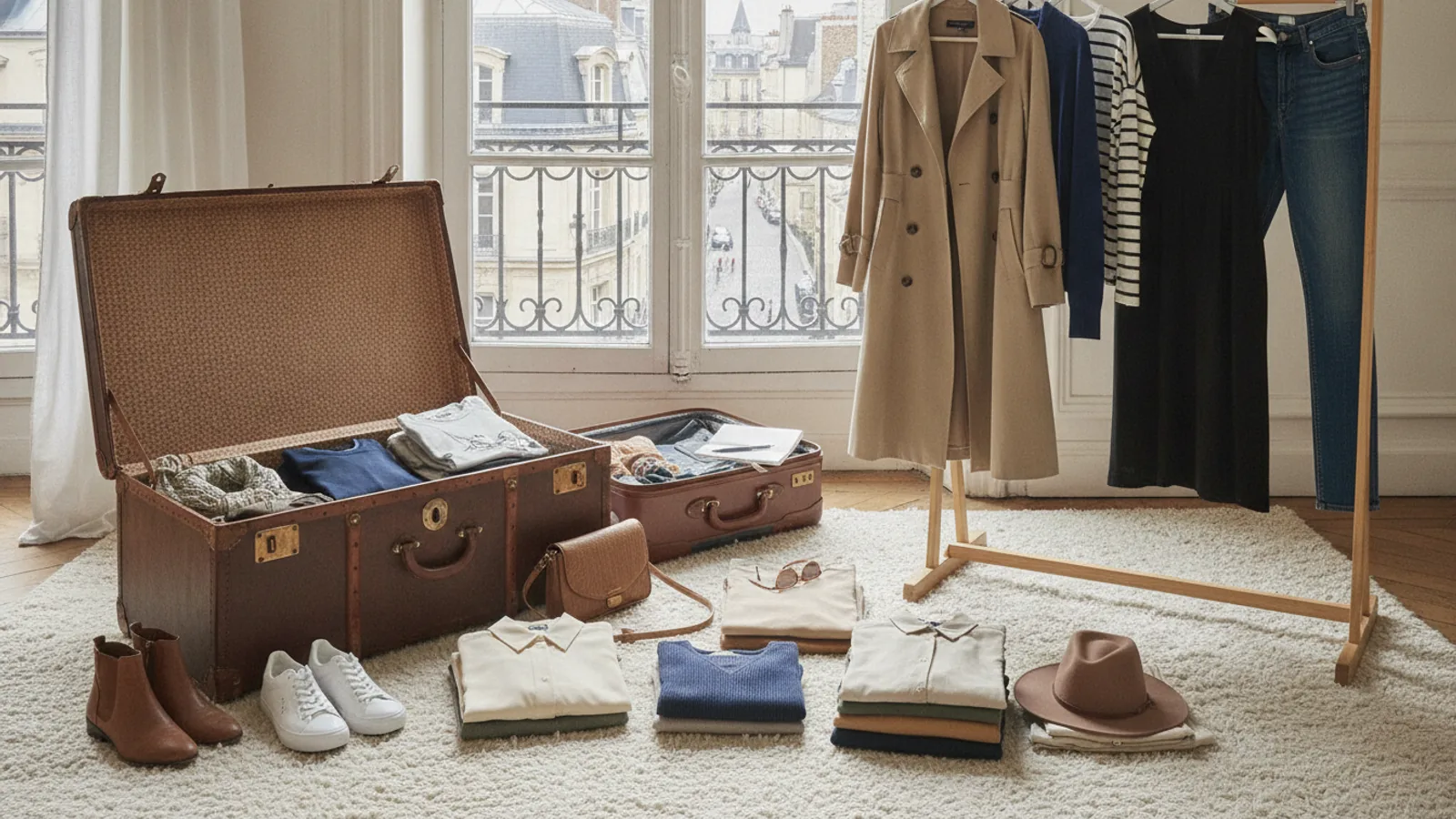
How To Plan A Practical Handbag For Commuting And Travel
A practical step-by-step guide to how to plan a practical handbag for commuting and travel, including preparation, instructions, common issues, tips, and next steps.
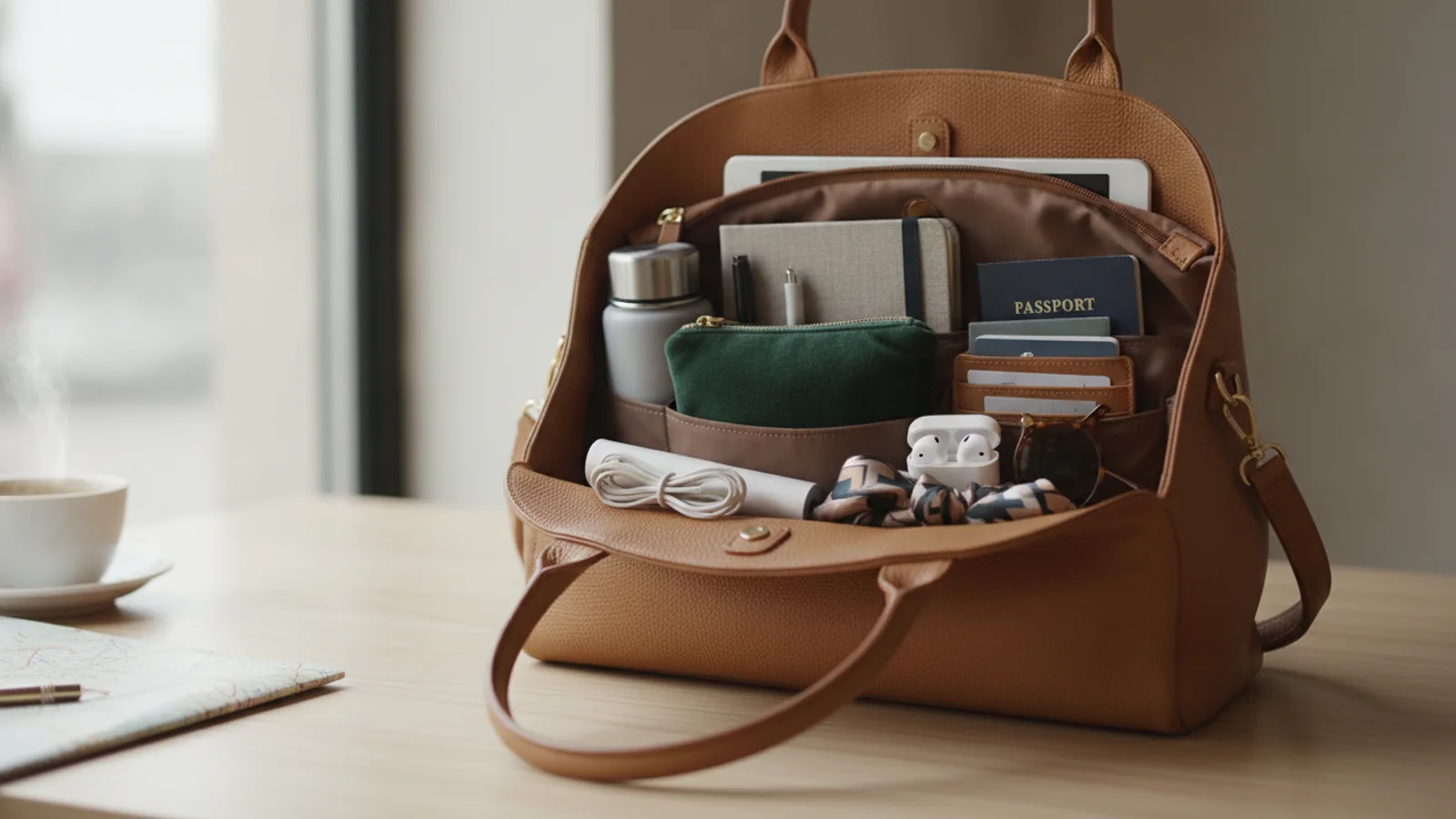
How To Plan A Practical Handbag For Commuting And Travel
Planning a practical handbag for commuting and travel means choosing a bag that balances capacity, weight, organization, and security while adapting to different days and routes. This guide helps you define your carry needs, select durable materials and comfortable straps, organize essentials into clear zones, and build a daily packing routine that prevents clutter and back strain. You will learn how to transition the same bag between workdays and weekend trips, how to handle weather or crowded transport, and how to create a checklist that keeps you efficient. The advice focuses on general principles rather than specific products, so you can apply it to any bag you already own or plan to purchase. By the end, you will have a repeatable method for packing, unpacking, and maintaining a bag that serves both daily commutes and short travels without constant repacking.
Fast Answer
- Choose a bag with a structured bottom, padded shoulder strap or backpack straps, and multiple compartments so weight is balanced and small items stay findable.
- Pack by separating daily essentials (wallet, phone, keys) in easy-access pockets, work or travel items in the main section, and emergency or weather items in a dedicated pocket.
Before You Start
- Measure the width and height of items you carry daily, such as a laptop, tablet, or water bottle, and note their sizes on a list for bag fitting.
- Decide on zones: daily essentials for frequent access, main compartment for larger items, and a secure pocket for valuables or emergency supplies.
- Weigh your loaded bag on a scale after your first test pack and aim for a total under ten percent of your body weight to prevent shoulder or back fatigue.
- Prepare a basic repair kit and a list of repair contacts for common bag issues like broken zippers, ripped seams, or loose straps.
Step-by-Step Instructions
Assess Your Carry Needs by Listing the Actual Items
Start by emptying your current bag onto a clean surface and sorting every item into three piles: use daily, use weekly, and rarely but must keep. Then, for a typical commuting week, jot down the non-negotiable items you touch every day. Next, add a separate list of travel items you would need for an overnight or short trip, such as a change of clothes, small toiletries, or a charger. After listing, decide which items can be downsized, like switching to a compact umbrella or a collapsible water bottle. For each item, write its approximate dimensions and weight. This list becomes your blueprint for choosing a bag and for packing later. Finish by crossing off any item you have not used in the past month, because carrying unused weight is wasteful. A precise list prevents impulse packing and ensures your bag only holds what you genuinely need.
Select a Bag That Fits Your Real Dimensions and Weight
Using your item list, compare the collective volume and weight of your daily carry to a potential bag's stated size, but also measure its main compartment with a ruler. A common mistake is buying a bag that is too large, encouraging overpacking. You want a bag where all items fit without stretching the fabric and where the weight is distributed evenly. Check that the bag has a structured bottom to keep it upright, padded straps that are at least two inches wide, and a sternum or waist strap if the load is heavy. For commuting and travel, consider a bag that can be worn on the back or over the shoulder, but always try it on while fully loaded and walk around to test comfort. Pay attention to zipper quality and pocket placement, because they affect durability and access. Choose a water-repellent fabric if you encounter rain, but know that no fabric is fully waterproof without a rain cover.
Organize the Interior into Clear Functional Zones
Divide the bag's interior into three zones: front or top pocket for fast access, main cavity for bulk, and a secure back or hidden pocket for valuables. Inside the main cavity, use small pouches or packing cubes to separate electronics, cables, and personal care. Assign each item a home: keys on a clip in the front pocket, phone in an outer slip pocket, and wallet in a zippered section. Use see-through pouches for small items so you can locate them quickly without rummaging. For travel, dedicate one cube to clothing and another to toiletries, and use a fold-flat bag for dirty laundry. The goal is that every time you reach for an item, you know exactly where it is. This speeds up security checks and prevents losing items. After a week of use, adjust zones if something is constantly hard to find.
Pack Strategically to Balance Weight and Access
Place heavy items like a laptop or water bottle closest to your back or body, because that center of gravity reduces strain and prevents the bag from pulling you backward. Lighter items, such as a scarf or a thin book, go furthest away from your back to fill space. Put frequently used items in pockets that you can reach without taking off the bag, like a side pocket for a phone or a front flap for a transit card. For travel, roll clothing instead of folding to save space and reduce wrinkles, and tuck small items into shoes or gaps. Always keep a small pouch with a pen, lip balm, and hand sanitizer in an outer pocket. Also, place fragile items, like sunglasses, in a hard case near the top or in a padded sleeve. After loading, zip the bag and shake it gently; nothing should shift enough to become inaccessible.
Prepare for Weather, Security, and Unexpected Needs
You cannot predict every situation, so pack a small emergency kit that fits in a side or bottom pocket. Include a foldable tote bag for unexpected shopping or a spill, a travel-sized stain remover pen, a mini flashlight or headlamp, and a few bandages. For security, place your wallet and keys in an inner or hidden pocket, and avoid hanging bags on the back of a chair, especially in public. If it rains, use a bag rain cover or a dry bag for delicate electronics, and keep an umbrella in an external pocket. For travel, carry a spare set of earplugs and a sleep mask for noisy transit, and a power bank only if you know its capacity and your device's needs. Review this kit monthly and replace used items. The point is to be ready for common disruptions without overpacking.
Develop a Daily Pack and Unpack Routine to Stay Consistent
Set a fixed place at home for your bag and a shelf or drawer for items that need to go inside the next day. Each evening, empty the bag of trash, receipts, and used items, and place anything that needs cleaning or charging by the door. In the morning, pack according to your list, checking off each essential as you place it in its designated zone. Once a week, do a deeper review: remove everything, wipe the interior, check for wear on straps and zippers, and decide if any items no longer belong. This routine prevents accumulation and keeps you from carrying last week's coffee cup or old flyers. For travel, pack the same way but add a dedicated packing cube for clothes and a toiletry bag with travel-size containers. Over time, this habit makes packing take under five minutes.
Quick Reference
| Situation | Action | Why it helps |
|---|---|---|
| You are packing for a long commute that includes rain and a business meeting. | Put your laptop in a waterproof sleeve, pack a compact umbrella in an outer pocket, and store a stain removal pen in the front pocket. | This keeps electronics dry, prepares you for sudden weather, and helps you manage small clothing spills before a meeting. |
| You are about to board a crowded bus or train and feel worried about pickpockets. | Move your wallet and phone to an inner zippered pocket or a hidden pocket against your body, and keep the bag on your front or between your feet. | Difficulty accessing these items makes theft harder, and keeping the bag in your field of view reduces the chance of snatching. |
| You are transitioning from work to a short overnight trip and need to fit a change of clothes. | Remove nonessential items from the main compartment and roll a shirt, socks, and underwear into a single packing cube, then place it at the bottom of the bag. | This adds minimal bulk and keeps clothes organized, so you can quickly go from office to travel without repacking the entire bag. |
Common Issues
- The bag always feels too heavy, even after you remove obvious nonessentials.: Weigh each item on a kitchen scale and write down its weight; then look for possibilities to substitute, like a smaller power bank or a compact umbrella. Also, consider carrying a lighter jacket or removing a tablet if you can use your phone. Ultimately, you may need a bag with better padding and a waist strap, which distributes weight more evenly.
- You cannot find small items like lip balm or earphones because they sink to the bottom.: Use a collection of small, brightly colored pouches or a dedicated organizer with elastic loops, and keep them in side or front pockets. Alternatively, attach a key ring to a zipper for tiny items, or use a pouch that clips to the bag's interior. This way, everything has a visible place.
- The bag zipper gets stuck or breaks after a few months of use.: Do not force a stuck zipper; inspect the tracks for fabric or dirt, and use a graphite pencil or a silicone lubricant on the teeth. If the slider misaligns, gently pinch it with pliers, but you may need to replace the slider or the bag if the fabric tears. To prevent future jams, avoid overstuffing and keep the zipper clean.
Advanced Tips
- Use a compression packing cube for clothes to reduce volume and keep them wrinkle-free, but only compress if you are certain you won't need quick access to those items.
- Install a small carabiner on the outside of the bag to hang a hand sanitizer or a reusable shopping bag, but keep the attached items light to avoid swinging.
- Master the 'one-bag travel' method by choosing a single bag that fits both your daily carry and a minimal travel wardrobe, then use the same packing zones for every trip.
Final Checklist
- Confirmed every daily essential is listed and packed in a designated zone, with no duplicates or unused items.
- Measured the bag's total weight when fully packed and confirmed it feels comfortable on both shoulders.
- Checked all zippers, straps, and buckles for wear, and verified that the bag can withstand light rain or you have a rain cover.
- Tested access to phone, keys, and wallet while wearing the bag, and confirmed they can be retrieved without removing it.
FAQ
How do I choose between a tote, backpack, or crossbody bag for commuting and travel?
Choose based on your daily load and comfort needs. A backpack is best if you carry a laptop or heavy books because it distributes weight evenly on both shoulders. A tote works for lighter loads and offers easier access, but it can strain one shoulder if heavy. A crossbody bag keeps hands free and is secure, but it may not fit large items. Try each with your typical packing and walk for ten minutes to see what feels best.
What can I do to make my bag more secure against pickpockets in crowded places?
Prioritize bags with lockable zippers or hidden compartments near your back. Keep your wallet in an inner pocket that is not visible, and never place the bag on the floor or behind you. Use a small carabiner to clip main compartments closed, and consider a wire mesh insert that is flexible but resist slashing. Always keep one hand on the bag in dense crowds.
How often should I clean and maintain my commuter bag?
Clean the exterior monthly with a damp cloth and a mild soap, and vacuum the interior to remove crumbs. Check straps and zippers every week for loose stitching or stuck tracks. Treat the fabric with a water-repellent spray seasonally, but test it on a small area first. If the bag is leather, condition it two to three times a year. Regular care extends its life.