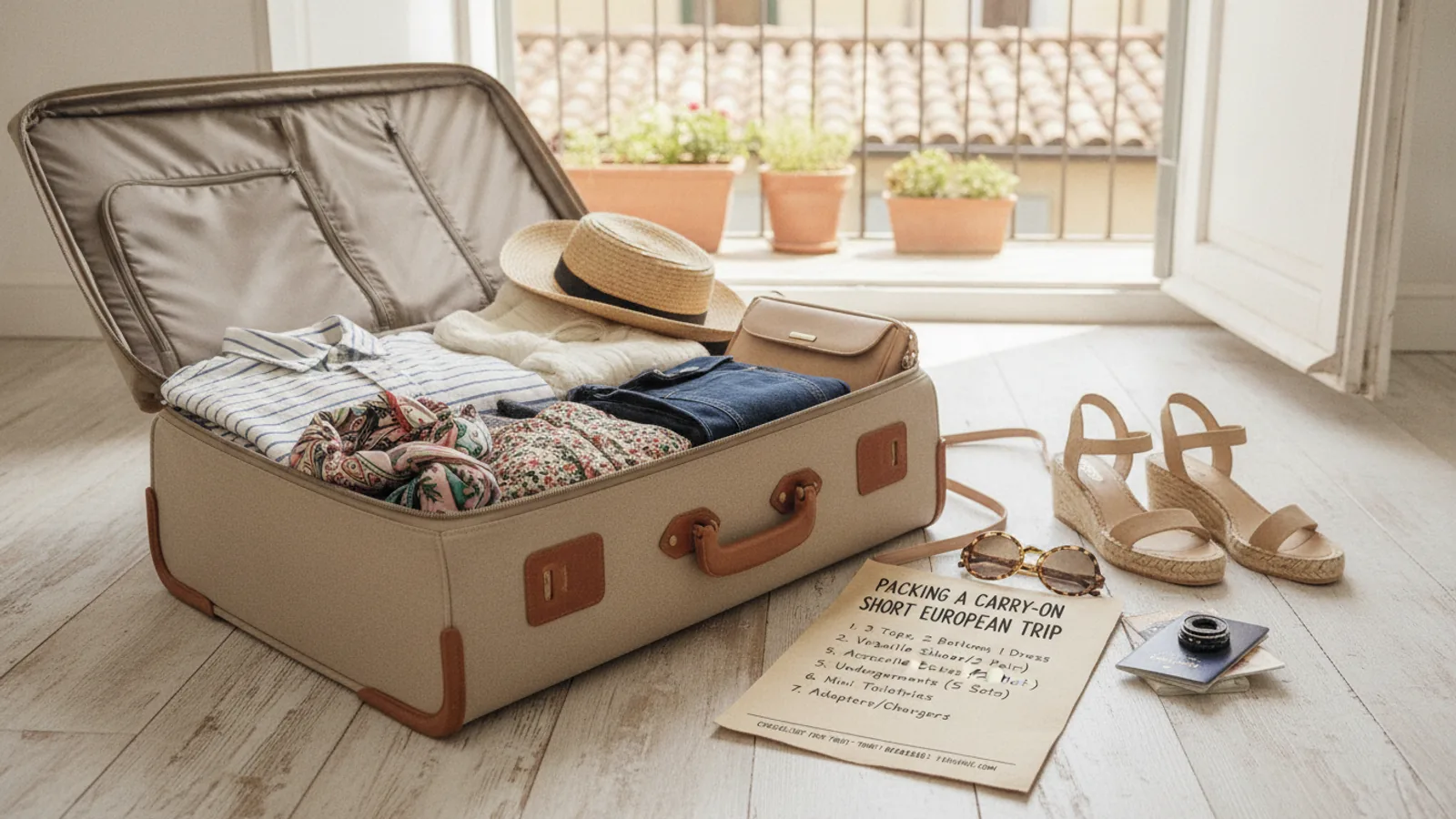
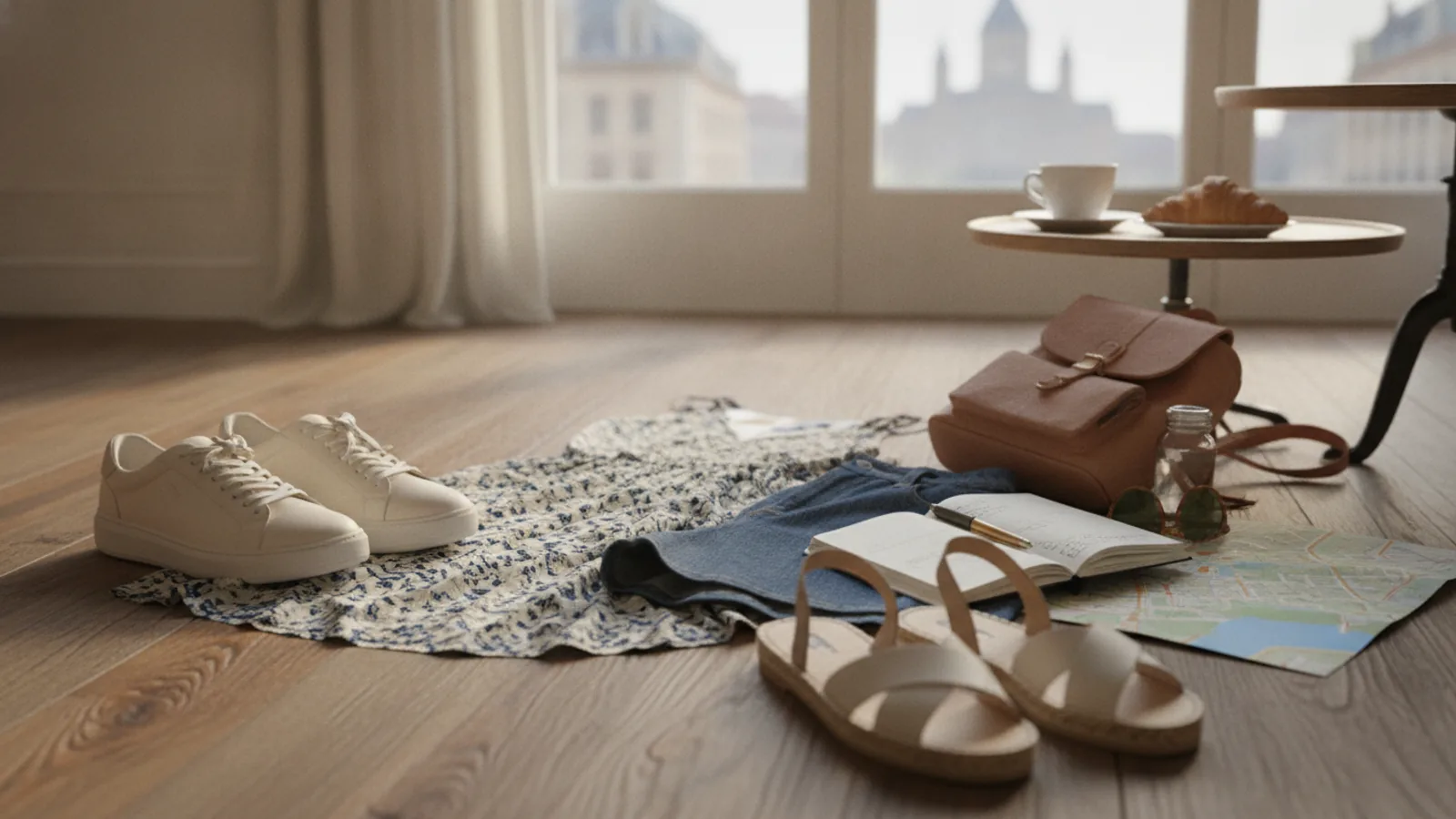
How To Plan Packing A Carry On Wardrobe For A Short European Trip
A practical step-by-step guide to how to plan packing a carry-on wardrobe for a short European trip, including preparation, instructions, common issues, tips, and next steps.
How To Plan Packing A Carry On Wardrobe For A Short European Trip
This guide will help you plan a capsule wardrobe for a short European trip, ensuring you pack light but stay stylish, comfortable, and prepared for varying weather and activities. Learn how to choose versatile pieces, layer effectively, and maximize your carry-on space with practical strategies.
Fast Answer
- Focus on a neutral color palette and mix-and-match pieces to create multiple outfits from a few items.
- Research the weather forecast and planned activities, then select clothing that can be layered and adapt to different situations.
Before You Start
- Check the weather forecast for your specific travel dates and destinations to understand temperature ranges and potential rain.
- List your planned activities (e.g., museums, hiking, dinners) to determine the dress code and functional needs.
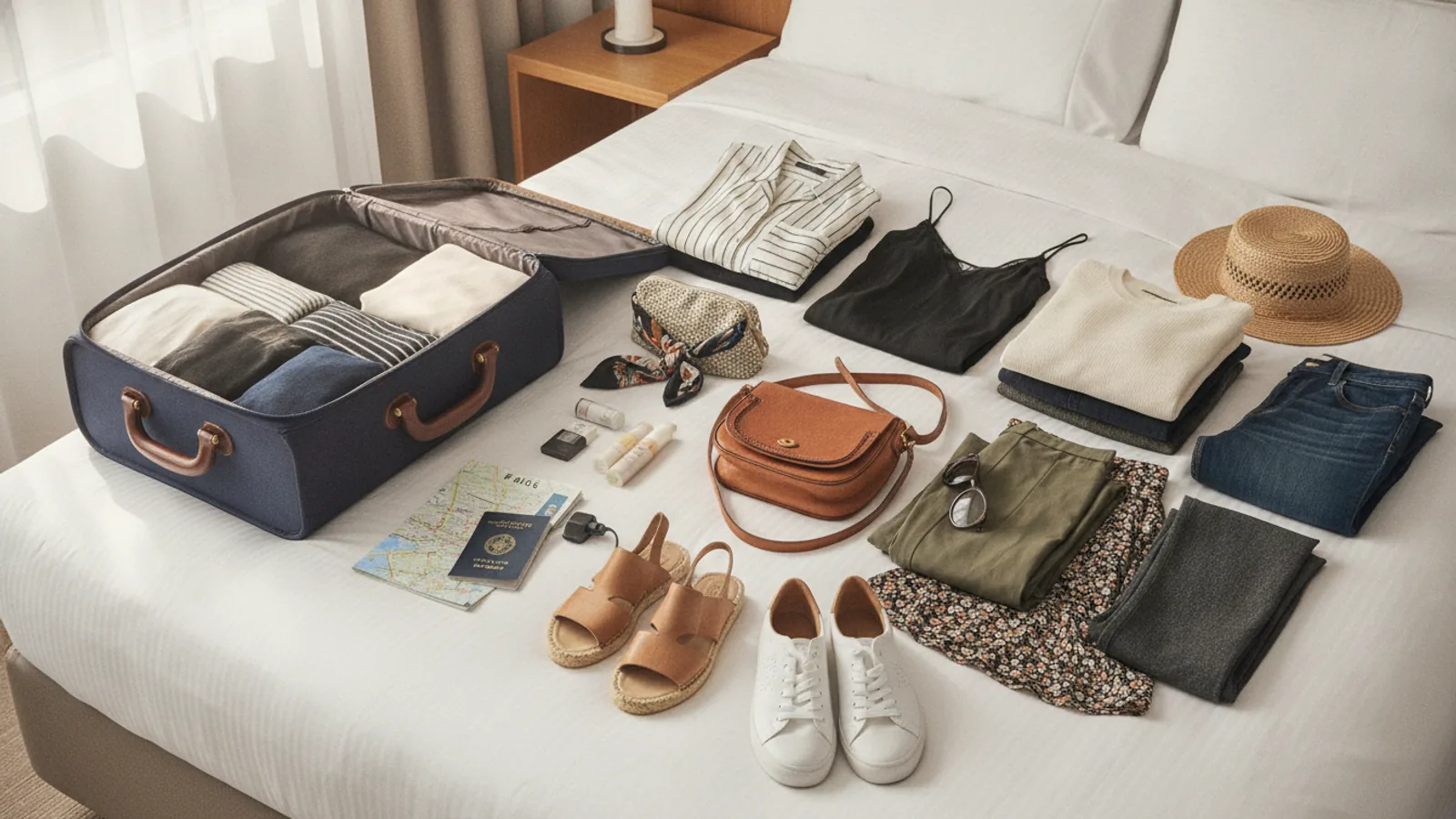
- Lay out all potential clothing items on your bed and evaluate each piece for versatility and how it can be mixed with others.
- Weigh your empty carry-on and check the airline's size and weight limits to understand your packing constraints.
Step-by-Step Instructions
Define the Trip Parameters
Begin by writing down the exact number of days (including travel days) and the specific destinations. For each day, note the temperature range (highs and lows) and any significant weather events like rain or strong winds. This information is crucial because it dictates the weight and layering of your wardrobe. Next, create a list of activities you plan to do, from daytime sightseeing to evening dinners, and assign each a dress code (casual, smart-casual, or formal). This step ensures you don't pack useless items. For example, if you have a hiking day, you need sturdy shoes, but if all evenings are casual, you can skip a formal outfit. A practical check is to review your itinerary and mark the weather for each day. This matters because your clothing choices must align with actual conditions to keep you comfortable and reduce the need to buy emergency clothes.
Select a Cohesive Color Palette
Choose 2-3 neutral base colors (like navy, gray, beige) and 1-2 accent colors (like a bold red or mustard) that complement each other. Stick to this palette for all clothing items. This approach allows you to mix and match everything, creating numerous outfits from a few pieces. For instance, a navy sweater can pair with gray pants, beige skirt, or even worn over a dress. A practical check is to lay out all your potential items together and verify that each top matches with at least two bottoms. This matters because a limited palette simplifies coordination, reduces the amount of clothing you need to pack, and still looks stylish and put-together. Without a cohesive palette, you might need to pack more items to ensure they go together, defeating the purpose of capsule packing.
Choose Versatile Clothing Pieces
Select items that can serve multiple purposes. For example, a simple black dress can be worn alone for a nice dinner, with a cardigan for daytime, or over jeans as a tunic. Pants that convert to shorts or a jacket that can be dressed up or down are great options. Prioritize fabrics that wrinkle-resistant and quick-drying, like merino wool or synthetic blends. A practical check is to ask yourself, 'Can I wear this at least three different ways?' If not, consider leaving it behind. This matters because versatile pieces maximize the number of outfits you can create without increasing your luggage weight. When you pack only single-purpose items, you need many more pieces to cover all occasions, leading to an overpacked bag and unnecessary bulk.
Plan Layers for Temperature Changes
Layering is key to adapting to fluctuating temperatures and unpredictable weather. Start with a lightweight base layer (like a cotton t-shirt or tank), add a mid-layer (button-down shirt or sweater), and finish with an outer layer (jacket or vest). This system allows you to adjust your clothing by peeling off or adding a layer. For example, a chilly morning might require all three, but by afternoon, you can remove the mid-layer. A practical check is to simulate your layering by wearing a sample outfit and walking outside to assess comfort. This matters because layered clothing keeps you comfortable throughout the day without needing to pack heavy coats or multiple outfits for different times of day. Additionally, it makes it easier to manage indoor heating and outdoor cold.
Plan Outfits for Each Day
Using your activity list and color palette, create a specific outfit for each day, including shoes. Write these down or lay them out in an app. Ensure each outfit can be mixed with other pieces to create last-minute changes. For example, if you plan to visit a cathedral on Thursday, you might need a knee-length skirt and modest top, but you can reuse that top with different pants for another day. A practical check is to review your plan and see if any month, such as number of bottoms, equals number of tops, to balance your wardrobe. This matters because pre-planning prevents you from forgetting essential items and helps you resist overpacking. It also ensures you have appropriate clothing for every planned event, reducing stress while traveling.
Assemble and Test Your Packing
Lay out all your planned items and check that everything fits in your carry-on. Use packing cubes or rolling techniques to maximize space and minimize wrinkles. Place heavier items at the bottom near the wheels, and keep a change of clothes and toiletries accessible. A practical check is to close your bag, lift it, and ensure it's comfortable to carry. Also, weigh it if you have a luggage scale. This matters because a well-packed bag is easier to manage and reduces the risk of exceeding airline limits. The final physical test ensures that your plan is realistic and that you haven't forgotten any essentials. It also allows you to make last-minute adjustments, like swapping a bulky sweater for a thinner one, before you leave.
Quick Reference
| Situation | Action | Why it helps |
|---|---|---|
| You have a red-eye flight and want to arrive feeling fresh. | Pack a small carry-on bag with a change of underwear, a t-shirt, and a travel-sized deodorant. Place it under the seat in front of you for easy access. | Having these items readily available allows you to freshen up in the airport bathroom before your connecting flight or upon arrival. |
| You have a rainy day forecast and your coat isn't waterproof. | Bring a compact travel umbrella and a lightweight packable rain jacket that can be stashed in your daypack. Put them in your bag now, not later. | A portable rain jacket ensures you stay dry without ruining your outfit or needing to buy an umbrella, which can be bulky. |
| You're attending a formal dinner, but you're trying to travel light. | Use a capsule trick: a black dress with a statement necklace and a sleek cardigan. Dress it up with heels and a clutch, both of which can fit in your carry-on. | These items take minimal space, and this strategy lets you create one formal outfit that doesn't add extra weight to your luggage. |
Common Issues
- Packing too many shoes, which take up space and add weight.: Limit yourself to three pairs: comfortable walking shoes, dressy flats or heels, and sandals or flip-flops. Wear the bulkiest pair on the plane to save space.
- Not checking the weather or the airline's size limits, leading to a bag that doesn't fit or is overpacked.: A few weeks before, check the weather forecast for your specific dates and the airline's carry-on dimensions and weight limit. Adjust your packing list accordingly and weigh your bag before leaving.
- Bringing clothes that don't mix and match, resulting in having to pack more items.: Stick to a neutral-ish color palette and choose pieces that can be dressed up or down. Try mixing items you have at home before the trip to test the combinations.
Advanced Tips
- Invest in quality, quick-dry fabrics that you can wash in a sink and hang-dry overnight, reducing the number of items you need to pack.
- Use the 'wearing your bulkiest items' trick for both clothes and shoes, leaving your carry-on for lighter essentials.
- Consider packing a laundry detergent sheet and a small clothesline, so you can do quick laundry during the trip, extending your wardrobe's freshness.
Final Checklist
- Plan your outfits around a cohesive color palette to maximize mixing and matching.
- Check the weather forecast and choose layers that can adapt to temperature changes.
- Select versatile pieces that can be worn in multiple ways and pack them in packing cubes.
- Test your full packing arrangement at least a day before departure to ensure it fits and weighs within limits.
FAQ
What if I run out of clean clothes?
Research your accommodation: many hotels offer laundry services, and Airbnb hosts often have a washer. If you're in a city, find a laundromat or use a laundry service. Pack a small travel-size detergent and a sink stopper, so you can wash clothes in the sink as a last resort.
How many outfits do I really need for a week-long trip?
A good rule is to pack about 5-7 outfits that can be mixed and matched. Instead of packing a different outfit for every day, you can combine items to create multiple looks. For example, 5 tops and 3 bottoms can create 15 combinations, enough for a week, even with laundry every few days.
Is it better to roll or fold my clothes to save space?
Rolling is generally more space-saving and reduces wrinkles, but folding can be better for heavier knit items or fabrics that are prone to stretching. Use packing cubes to organize rolled items and separate clean from dirty clothes. Either method works well with the right packing cubes.