Packing A Carry On Wardrobe For A Short European Trip Checklist For First Time Readers
A practical step-by-step guide to packing a carry-on wardrobe for a short European trip checklist for first-time readers, including preparation, instructions, common issues, tips, and next steps.
Packing A Carry On Wardrobe For A Short European Trip Checklist For First Time Readers
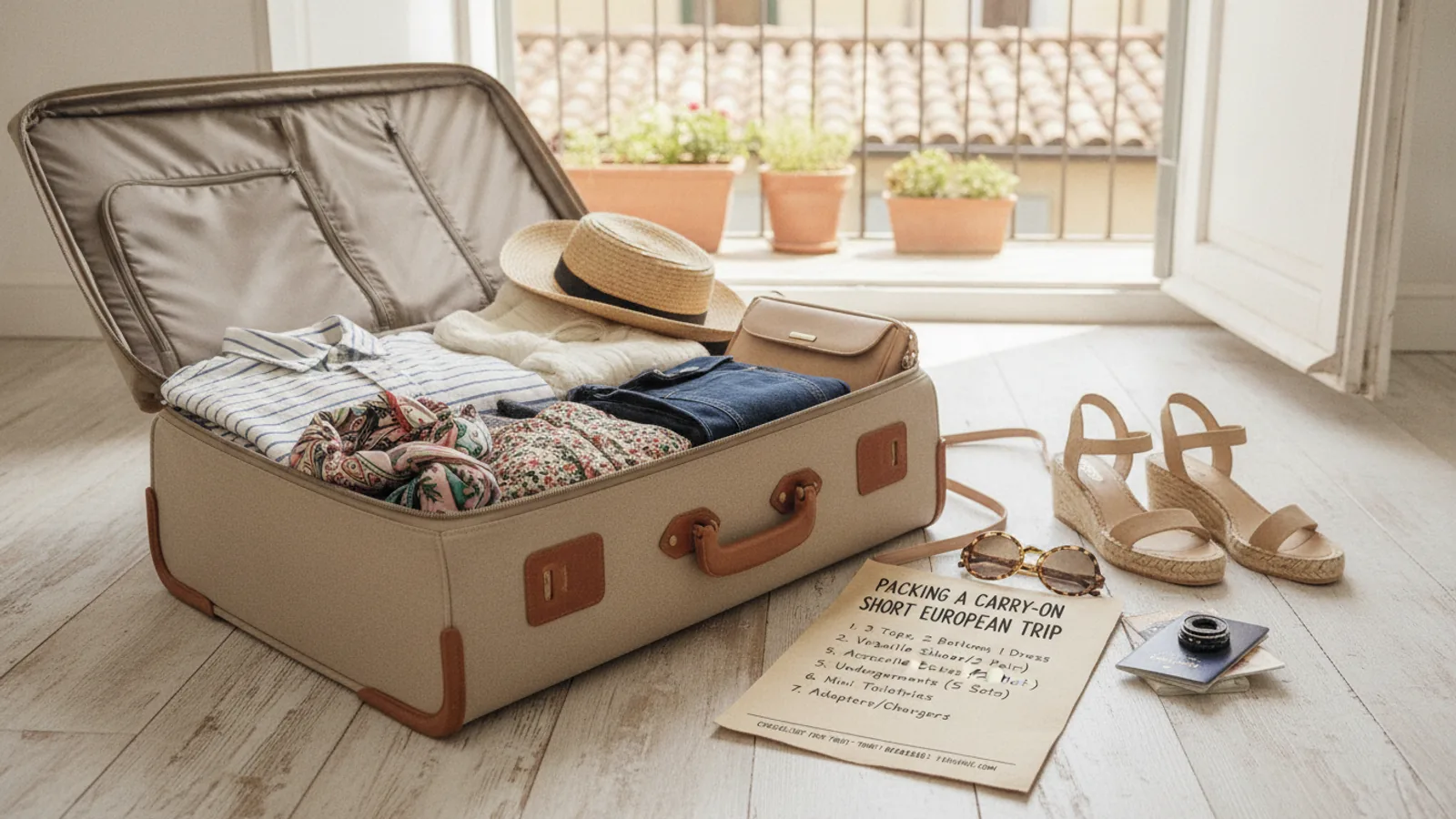
Packing a carry-on wardrobe for a short European trip is about choosing versatile, lightweight pieces that mix and match easily, saving you from checked-bag fees and lost luggage. Focus on a color palette, layer for unpredictable weather, and pick fabrics that resist wrinkles and dry quickly. This guide walks you through planning, selecting, and packing your items step by step, with practical checks and tips to make your first trip smooth and stress-free.
Fast Answer
- Pick a color palette of three neutrals and one accent, then choose tops and bottoms that all coordinate with each other.
- Plan one outfit per day plus one extra, and include a versatile layer like a cardigan or jacket that works for both day and evening.
Before You Start
- Check the weather forecast for each city on your itinerary, noting typical highs and lows, so you can choose the right weight of clothing.
- List your planned activities, from sightseeing to dinners, to ensure you have appropriate outfits for each occasion without overpacking.
- Select a lightweight, wheeled carry-on that meets your airline's size limits, and check your boarding pass or airline website for exact dimensions.
- Gather travel-size containers for toiletries and a few packing cubes or compression bags to help organize and compress your clothing.
Step-by-Step Instructions
Choose a Cohesive Color Palette
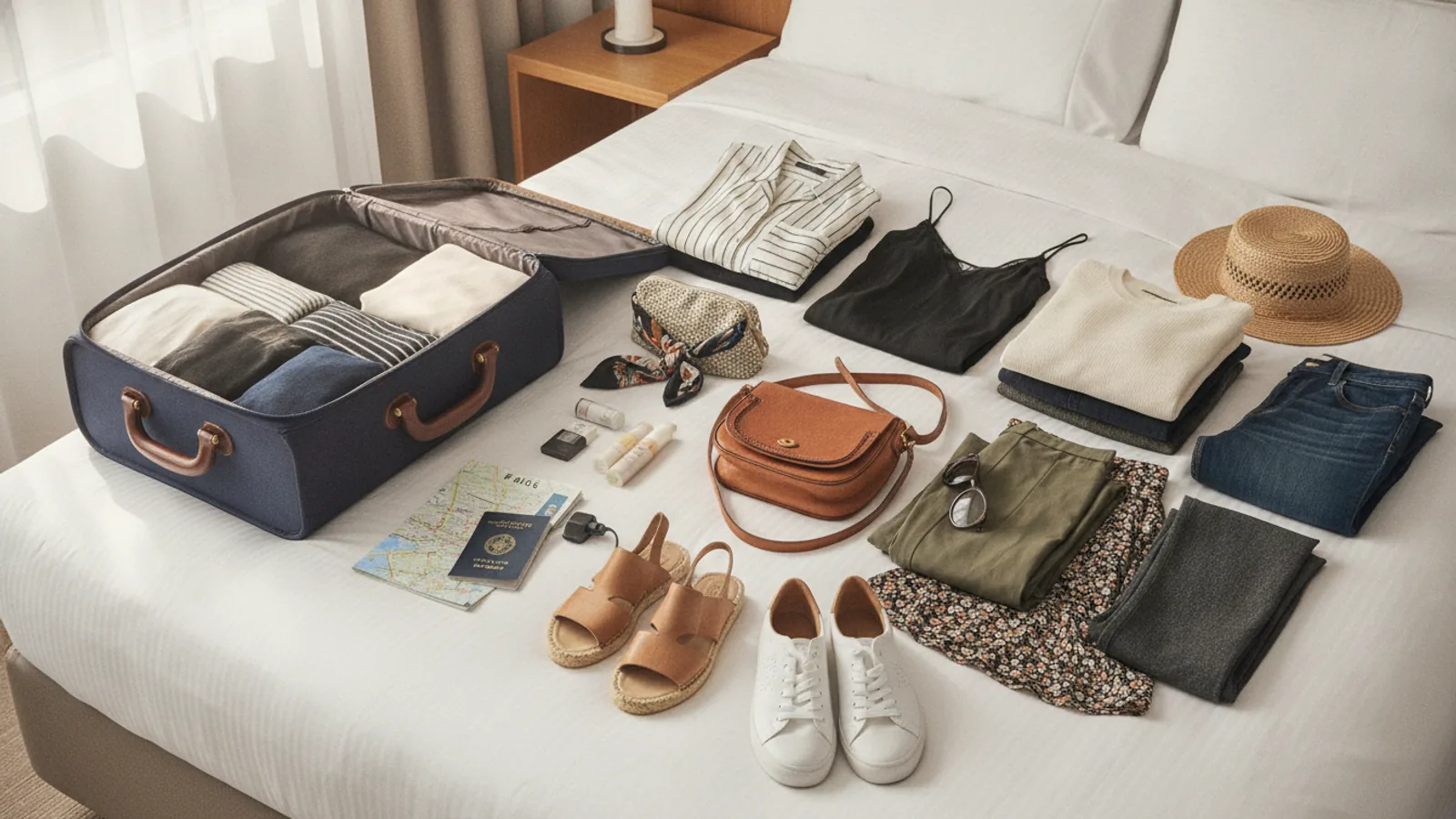
Begin by selecting three neutral colors that complement each other, such as navy, gray, and beige, plus one accent color like burgundy or olive. This palette ensures that every top you pack can pair with every bottom, creating multiple outfits from a few pieces. Lay out all your potential clothing on your bed and arrange them into outfits to see how they mix. A practical check is to remove any item that doesn't match at least three other items in your palette. Why this matters: cohesive colors double or triple your outfit options without adding bulk, making it easier to pack light while always looking put together.
Select Versatile Bottoms
Pack two or three bottoms that can be dressed up or down: one pair of dark jeans that work for both day exploring and a casual dinner, a pair of comfortable trousers or chinos that are wrinkle-resistant, and possibly a lightweight skirt or shorts if the weather is warm. Choose bottoms in neutral colors from your palette so they match every top. When testing them, sit, bend, and walk to ensure they are comfortable for long days. A practical check is to lay each bottom next to every top you plan to pack; if it clashes or looks odd with any, swap it for a more neutral option. This check matters because bottoms are the most noticeable part of an outfit, and a mismatch can ruin the whole look.
Pick Wrinkle-Resistant Tops
Choose four to five tops that are made from wrinkle-resistant fabrics like cotton blends, knits, or performance materials. Include a mix of short-sleeve and long-sleeve options to handle varying temperatures. For each top, roll it tightly and then unfold to see if it wrinkles; if it does, choose another. A practical check is to create a capsule wardrobe by picturing each top with each bottom—if a top only goes with one bottom, it is not versatile enough. Why this matters: wrinkled clothing looks messy and makes you feel less confident, and ironing on the road costs time and money. Versatile tops let you change your look easily from day to night.
Add One or Two Layering Pieces
Pack a light cardigan or a denim jacket, plus a more formal blazer or a packable raincoat if your weather forecast suggests rain. These layers add warmth without taking up much space and can instantly dress up a casual outfit. A practical check is to wear your bulkiest layer on the plane to save space in your carry-on, and make sure that layer has pockets for your passport, phone, and boarding pass. Why this matters: European weather can change quickly, and layering allows you to adapt without carrying extra clothes. A stylish layer can also serve as your 'evening outfit' when paired with the right accessories.
Pack Shoes That Do Double Duty
Limit yourself to two pairs of shoes: a pair of broken-in, comfortable walking shoes (like stylish sneakers or loafers) and a pair of dressier shoes that can be worn with both your jeans and trousers (like ballet flats or low heels). Before packing, wear the walking shoes around your house for a day to confirm they don't cause blisters. A practical check is to place your dressier shoes in a shoe bag and stuff them with socks or small items to save space. Why this matters: shoes are the heaviest and bulkiest items in a carry-on, and bringing too many forces you to overpack. Choosing dual-purpose shoes ensures you are ready for any occasion without the extra weight.
Fill Gaps with Underwear, Socks, and Accessories
Finally, add a compact toiletry kit and your essential underwear and socks. Plan to pack five to six days' worth, and choose socks that are thin and moisture-wicking. For underwear, consider quick-dry fabrics that you can wash in a sink if needed. A practical check is to lay out your underwear and socks next to your tops and bottoms to ensure they coordinate (for example, no bright red socks that clash with your palette). Why this matters: these items are the easiest to forget, but they are crucial for hygiene and comfort. Using space-saving tricks like rolling socks inside shoes or using packing cubes will help you fit everything while keeping your bag organized.
Quick Reference
| Situation | Action | Why it helps |
|---|---|---|
| You are heading to a nice dinner but only packed casual clothes. | Swap your casual walking shoes for your dressier pair, add a scarf or statement necklace, and tuck in your top for a more polished look. | Accessories and footwear transform a casual outfit into evening wear, so you don't need extra clothes for special events. |
| The forecast calls for rain and you didn't pack an umbrella. | Wear your packable raincoat or blazer if it is water-resistant, and keep a lightweight scarf under your collar to wipe off drips. | A layer that blocks wind and water can keep you dry without adding bulk, and using it means you skip buying cheap umbrellas that break quickly. |
| You find yourself washing some items in a sink at your hotel. | Use your travel-size shampoo or liquid soap to hand-wash your quick-dry tops, then roll them in a towel to squeeze out water and hang them overnight. | Hand-washing saves you from carrying extra clothes and keeps your favorites fresh; quick-dry fabrics are usually dry by morning. |
Common Issues
- You overpacked because you wanted a different outfit for every day.: Lay out all your clothes and try to create outfits using only the items that mix and match with at least two others. Remove any item that doesn't fit your color palette or that you are not sure you will wear. Remember, you can repeat outfits and do laundry if needed.
- Your carry-on is overweight according to the airline limit.: Weigh your bag at home using a luggage scale and remove any heavy items like extra shoes or thick sweaters. Wear your heaviest layers and shoes on the plane, and consider leaving behind bulky toiletries that you can buy at your destination.
- Your clothes wrinkle during the flight despite careful packing.: Roll your clothes instead of folding them, and use packing cubes to compress them so they don't shift. When you arrive, hang items in the bathroom while you shower—the steam will release wrinkles. For stubborn wrinkles, mix a little hair conditioner with water and spray lightly.
Advanced Tips
- Use a packing cube for each category (tops, bottoms, underwear, accessories) to keep your bag organized and to find items without unpacking everything.
- Choose a carry-on with a separate shoe compartment or use a shoe bag to keep dirty soles away from your clothes, and use your shoes as a storage spot for small items like socks or chargers.
- Pack a lightweight, foldable tote bag for day trips and shopping—it takes little space but expands for souvenirs or groceries.
Final Checklist
- Check weather forecasts for all destinations and adjust your layering pieces accordingly.
- Confirm that your carry-on meets your airline's size and weight restrictions, and that you can lift it into the overhead bin.
- Roll all clothes and place them in packing cubes, with shoes at the bottom and your layering piece last so it is easy to access.
- Do a final test: lift your packed bag, shake it, and make sure there are no loose items and that zippers close smoothly.
FAQ
How many days of clothing should I pack for a 10-day trip?
For a short European trip, pack about five to six outfits and plan to do one sink wash or visit a launderette mid-trip. Repeating outfits is normal and expected. Mix and match your tops and bottoms to create new looks, and use accessories to change the vibe. This keeps your load light and gives you enough variety without overpacking.
What is the best way to fit a suit or dress in a carry-on without wrinkles?
Fold the suit jacket inside out, place shoulder pads or socks in the shoulders to maintain their shape, and fold it carefully along the natural lines. Use a garment bag if possible, or pack it as your last layer on top of your clothes. For dresses, roll them gently with tissue paper to prevent sharp creases. Hang them as soon as you arrive.
Can I bring toiletries in a carry-on?
Yes, but you must follow the liquid rules: all liquids, gels, and aerosols must be in containers of 100ml or less, and all must fit in a single transparent, resealable bag of about 20cm by 20cm (or as specified by your local security). Check the exact rules for your departure airport. Pack this bag in an outside pocket for quick removal during screening.