How To Style A Handwoven Scarf For A Casual Look
A practical step-by-step guide to How to style a handwoven scarf for a casual look, including preparation, instructions, common issues, tips, and next steps.
How To Style A Handwoven Scarf For A Casual Look
A handwoven scarf brings texture and character to everyday outfits, but its artisanal look can feel tricky to style casually. This guide shows you how to choose, knot, and layer your scarf so it looks relaxed yet intentional, using simple techniques that work with most wardrobes. You will learn to assess your scarf, pick a casual outfit, tie it in three easy ways, and adjust for comfort and style. With a few checks, you can avoid common mistakes and make your scarf the highlight of a low-key look.
Fast Answer
- Choose a simple casual outfit with neutral colors, then drape or knot your handwoven scarf loosely to add texture without overpowering the look.
- For a quick casual style, fold the scarf in half, loop it around your neck, and pull the ends through the loop, then fluff it for a relaxed vibe.
Before You Start
- Lay your handwoven scarf flat on a clean surface and smooth out any wrinkles with your hands, checking for loose threads or pulls that might need gentle trimming.
- Pick a casual outfit that includes a plain top and comfortable bottoms, such as jeans or chinos, so the scarf becomes the main visual interest.
- Check the weather and choose a scarf weight that matches the temperature; a lightweight scarf works for mild days, while a thicker weave suits cooler air.
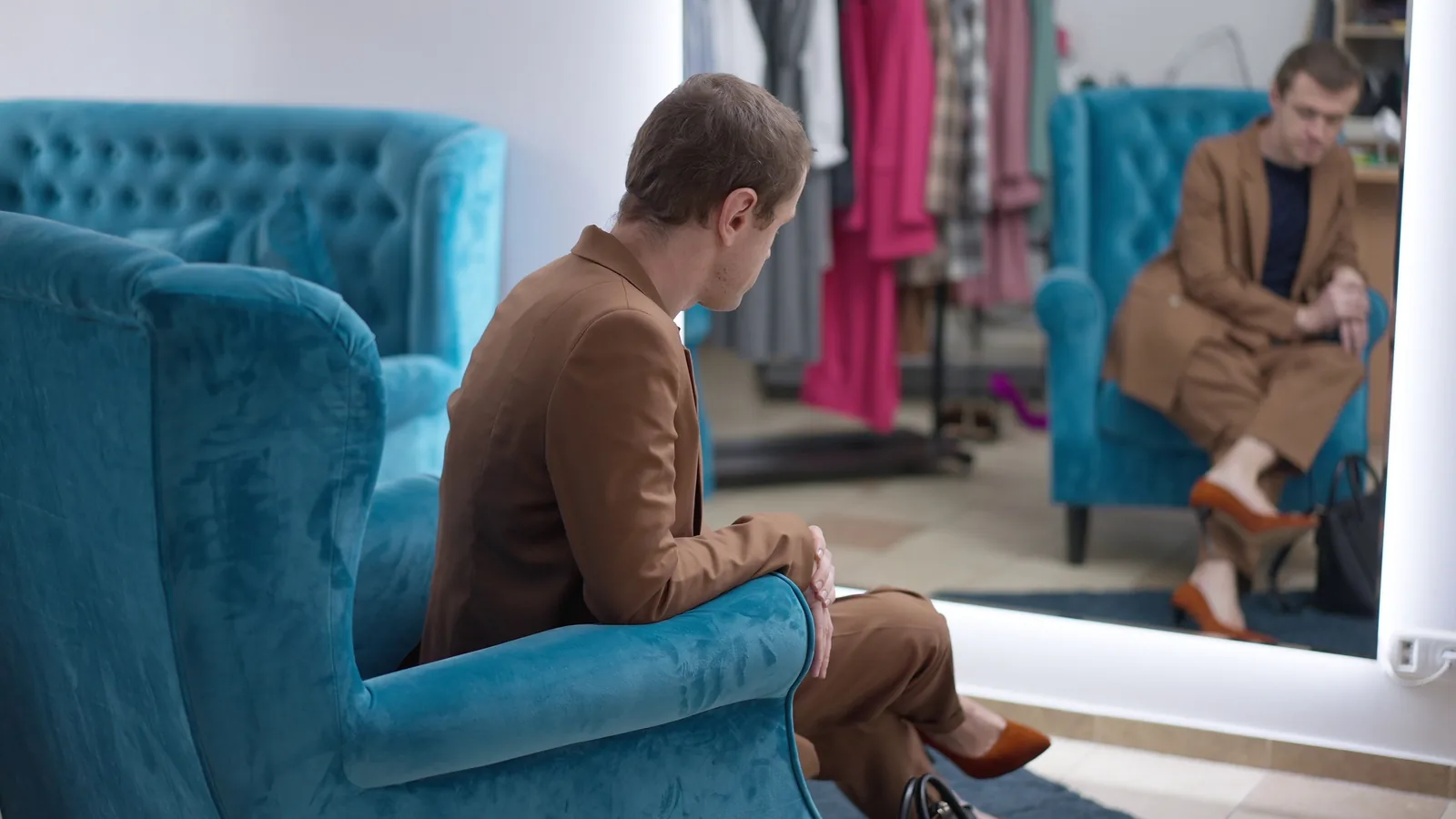
- Stand in front of a mirror with good lighting to see how the scarf falls and to practice knots before you head out.
Step-by-Step Instructions
Assess Your Scarf and Outfit
Begin by holding your handwoven scarf against the outfit you plan to wear. Look at the colors and patterns: if your clothing is busy, choose a scarf with a simpler weave; if your outfit is plain, a textured or slightly patterned scarf adds interest. Check the scarf's length and width. A long, narrow scarf works well for looping, while a wide, square scarf is better for draping over the shoulders. Also, feel the fabric weight. A heavy scarf may overwhelm a light summer outfit, while a thin scarf might disappear against a chunky sweater. Take a moment to ensure the scarf complements rather than competes with your clothes. This check matters because the right combination makes your casual look feel effortless, while a mismatch can make even a beautiful scarf seem out of place. Once you are satisfied, lay the scarf flat and smooth any wrinkles with your hands.
Choose a Simple Casual Base
Select a casual outfit that provides a clean background for your scarf. A plain t-shirt, a light sweater, or a simple button-down shirt in a solid color works well. Pair it with jeans, casual trousers, or a skirt, depending on your preference and the occasion. Avoid busy prints or loud logos that might clash with the scarf's texture. The goal is to let the scarf stand out as the focal point. Consider the neckline of your top: a v-neck or open collar gives you room to tie the scarf without bunching, while a high neckline might require a looser drape. If you are unsure, neutral colors like gray, navy, beige, or white are safe choices. Put on the outfit and stand in front of a mirror. Check that the colors harmonize and that the overall look feels comfortable and relaxed. This step ensures your scarf enhances your outfit instead of looking like an afterthought.
Master the Basic Loop Knot
Fold your scarf in half lengthwise so the ends meet, creating a loop at the folded end. Drape the scarf around the back of your neck, bringing the loop to the front. Take the two loose ends and pull them through the loop. Adjust the tightness: for a casual look, leave the knot loose so it sits comfortably without choking. Fluff the loop and the ends to add volume. This knot works well for medium-weight scarves and adds a relaxed, modern touch. Check in the mirror that the loop hangs evenly and that the ends are not twisted. If the scarf is too long, you can tie a second loose knot near the ends or let them hang. This check matters because an uneven knot can make the scarf look sloppy, while a balanced one looks intentional. Practice this knot a few times until you can do it without looking.
Try the Simple Drape
For an even more relaxed style, skip the knot and simply drape the scarf around your neck. Unfold the scarf completely and hold it by the ends. Place the middle of the scarf at the back of your neck and let the two ends fall evenly in front. You can leave it as is for a classic look, or cross the ends once at your chest for a bit of shape. Adjust the length so the ends hang at different levels—one slightly longer than the other—to create a casual, effortless feel. This method works best with long, lightweight scarves that can drape without bulk. Check that the scarf lies flat against your chest and does not cover your face or get in the way of your arms. This check is important because a drape that is too long or uneven can look messy rather than relaxed. If needed, tuck the ends into your belt or let them hang freely.
Add a Belt for Shape
If you want to add structure to a loose drape, try belting your scarf. Drape the scarf around your neck as in the previous step, then take a simple belt and fasten it over the scarf at your waist. This works especially well with long, rectangular scarves and creates a polished yet casual look. Use a thin leather belt or a fabric belt that matches your outfit. Position the belt at your natural waist or slightly lower for a relaxed vibe. Adjust the scarf so it puffs slightly above and below the belt. Check that the belt is not too tight and that the scarf is not bunched uncomfortably. This check matters because belting can damage delicate weaves if pulled too tight, and it should enhance your silhouette, not restrict movement. If the scarf is bulky, choose a looser belt or skip this step. Once adjusted, you have a stylish, waist-defined casual outfit.
Final Adjustments and Comfort Check
After tying or draping your scarf, take a final look in the mirror from a few angles. Ensure the scarf sits comfortably around your neck and does not itch or scratch. Move your head from side to side and raise your arms to check that the scarf stays in place and does not restrict movement. If it feels tight, loosen the knot or drape. Check that the ends are even or intentionally uneven, and that the scarf complements your outfit without overpowering it. Look for any loose threads or wrinkles and smooth them with your hands. If you plan to wear the scarf for a long time, consider whether the weight is appropriate for the weather. This final check matters because comfort is key to looking relaxed; if you are constantly adjusting your scarf, it will show. Once you are happy, you are ready to go.
Quick Reference
| Situation | Action | Why it helps |
|---|---|---|
| You have a long, lightweight handwoven scarf and a plain t-shirt and jeans. | Drape the scarf around your neck with one end longer than the other, then belt it at your waist to add shape and keep it from flying in the breeze. | Belting a long scarf creates a defined silhouette that looks intentional and prevents the scarf from swinging excessively, which can be annoying and look messy. |
| Your scarf is thick and textured, and you want a casual look for a cool day. | Fold the scarf in half, loop it around your neck, and pull the ends through the loop, then loosen the knot and fluff the loop so it sits comfortably over a sweater. | The loop knot with a thick scarf adds warmth and visual interest without requiring a complicated tie, and loosening it prevents the scarf from feeling too tight against your neck. |
| You are wearing a busy patterned outfit and want to add your handwoven scarf. | Choose a simple drape with the scarf hanging straight down in front, and avoid any knots or extra folds that would add more pattern and clutter to your look. | A simple drape lets the scarf's texture speak without competing with the pattern of your clothes, keeping the overall outfit balanced and casual. |
Common Issues
- The scarf feels too tight around your neck.: Loosen the knot or switch to a drape that does not constrict your neck. You can also try a different tie that distributes pressure more evenly, such as a simple loop that is not pulled tight.
- The scarf keeps slipping off your shoulders.: Try a knot that secures the scarf, like the loop knot, or use a brooch or pin to fasten the scarf to your top. You can also choose a scarf with more texture, which tends to stay in place better.
- The scarf looks too formal for a casual outfit.: Pair it with more relaxed clothing like denim, t-shirts, or sneakers, and choose a casual tie like a loose drape or a simple loop. Avoid tight, symmetrical knots that read as dressy.
Advanced Tips
- Mix textures by pairing a smooth handwoven scarf with a chunky knit sweater or a denim jacket to create depth in your casual look.
- Use a scarf ring or a simple hair tie to create a low-profile knot that adds a subtle detail without bulk.
- Layer your handwoven scarf over a lightweight hoodie or under a structured jacket to transition between seasons while keeping the casual vibe.
Final Checklist
- The scarf complements your outfit's colors and patterns without clashing or overwhelming.
- The scarf sits comfortably around your neck and does not restrict movement or breathing.
- The knot or drape is secure enough to stay in place during normal activity.
- You have checked for loose threads, wrinkles, and any damage before wearing.
FAQ
Can I wear a handwoven scarf with a formal outfit?
Yes, but the styling should be different. For a formal look, choose a neat, symmetrical knot and a scarf with a refined weave. However, this guide focuses on casual styling, so for formal occasions you may want to research more structured ties and pair the scarf with tailored clothing.
How do I clean my handwoven scarf?
Always check the care label or information provided with your scarf. Many handwoven scarves made from natural fibers require gentle hand washing in cool water with a mild detergent, then laying flat to dry. Avoid wringing or hanging, which can distort the weave. If unsure, consult a professional cleaner.
What if my scarf is too long for a casual look?
You can tie a loose knot near the ends, loop it multiple times, or belt it to manage the length. Another option is to fold the scarf in half before draping, which shortens the hanging ends. Experiment in front of a mirror to find a length that feels balanced.