A European Capsule Wardrobe For A Changeable Season Checklist For First Time Readers
A practical step-by-step guide to a European capsule wardrobe for a changeable season checklist for first-time readers, including preparation, instructions, common issues, tips, and next steps.

A European Capsule Wardrobe For A Changeable Season Checklist For First Time Readers
This how-to guide helps first-time readers build a European capsule wardrobe that adapts to changeable weather. It covers choosing versatile layers, selecting a neutral color palette, investing in quality basics, and organizing outfits for unpredictable conditions. The focus is on practical planning and flexible styling to keep you comfortable from chilly mornings to warm afternoons.
Fast Answer
- Choose a foundation of neutral colors and mix in two accent shades to create easy daily outfits.
- Layer with lightweight pieces such as cardigans and scarves that you can add or remove as temperatures shift.
Before You Start
- Check your local climate patterns to understand typical weather ranges, rainfall, and wind conditions for the season.
- List the daily activities you'll dress for, such as work, errands, or outdoor walks, to ensure the wardrobe covers all needs.
- Measure your storage space and closet capacity so you can plan a wardrobe that fits without overcrowding.
- Review your current clothing inventory and set aside items that are worn, outdated, or not versatile for layering.
Step-by-Step Instructions
Assess Your Climate and Lifestyle Needs
Begin by observing the weather patterns in your region for at least one week. Note the daily high and low temperatures, wind strength, and any sudden showers. This data helps you determine what kinds of layering pieces are essential, such as a packable rain jacket or a lightweight wool sweater. Next, list every regular activity you need to dress for: commuting, office work, running errands, or weekend walks. For each activity, think about the level of formality and movement required. This assessment ensures your capsule wardrobe covers all bases without including redundant items. Finally, decide on a color palette of neutrals like navy, grey, beige, and white, plus two accent colors that match each other and your existing shoes and accessories. This step is crucial because it prevents impulse buys and guides every future clothing purchase.
Select a Core of Versatile Bottoms
Choose two or three bottoms that can be dressed up or down and pair with your entire palette. A well-fitted pair of dark trousers, a mid-wash straight-leg jean, and a knee-length skirt or tailored culottes offer flexibility. For changeable weather, fabrics like cotton twill, linen blends, or stretch denim breathe well and tolerate temperature shifts. Ensure each bottom fits comfortably at the waist and hip, and that you can walk and sit easily. Before committing, try them with the tops you already own to confirm they match at least three different shirts. This avoids forcing you to buy more pieces later. Check that the bottoms are of a length that works with your usual footwear, whether sneakers, ankle boots, or flats. Also, consider the care requirements: machine-washable items are practical for a capsule. By choosing resilient, neutral bottoms, you create a solid base for countless ensembles.
Invest in Layered Tops and Sweaters
Select a mix of tops that can be worn alone or under outer layers. Aim for three short-sleeve or long-sleeve tees in your neutral palette, two button-up shirts, and two lightweight sweaters or cardigans. Each top should have a silhouette that flatters without being too tight or too loose. When you try them on, move your arms across your body to ensure the shoulder seams rest correctly. Also, check that the sleeves are long enough for your arms but not so long that they bunch under jackets. To test layering, put one of your chosen sweaters over a tee and confirm the necklines don't clash and the fabric doesn't bunch. The ability to add or remove a layer is the core of dressing for changeable weather. Choose natural fibers like cotton, merino wool, or cashmere for breathability and temperature regulation. Avoid purely synthetic fabrics that may trap sweat and cause discomfort.
Choose Outerwear That Adapts to Rain and Wind
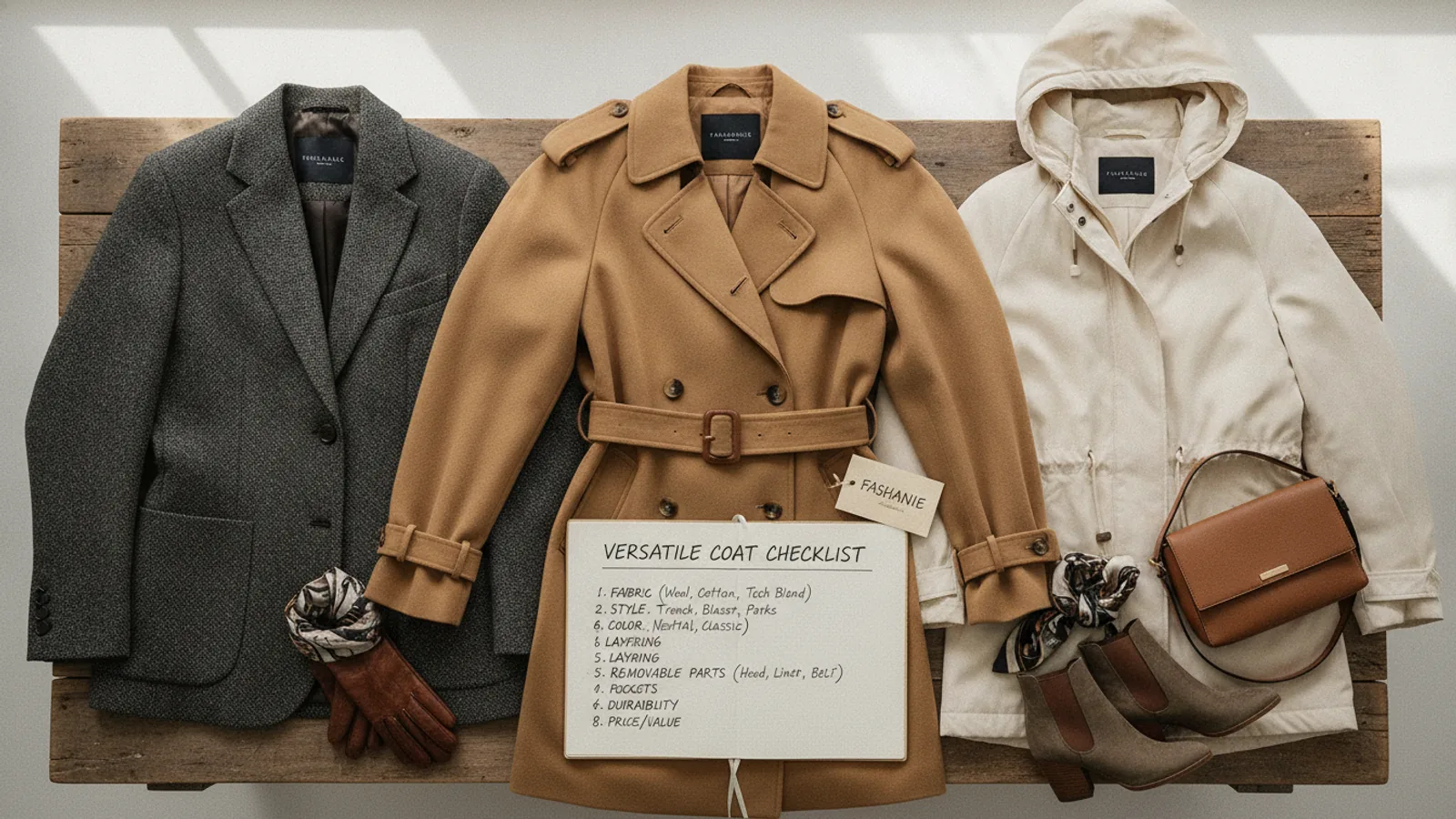
Peruse your area's precipitation records to decide if you need a dedicated rain shell or a water-repellent trench. For changeable seasons, a mid-weight jacket that is wind-resistant and has a hood is ideal, as it can be worn over a sweater on cool days or under a heavier coat if an unexpected cold front arrives. When trying on jackets, raise your arms above your head and bend forward to test freedom of movement. Also, check if the hood is large enough to cover your head while wearing a hat. Look for a jacket with adjustable cuffs and a zipper that glides easily. For warmer days, a light packable puffer vest is a great addition because it adds warmth to your core without restricting your arms. Always consider the weight of the jacket when folded or packed; you want it light enough to carry in a tote if you remove it later.
Include Comfortable Footwear for All-Day Wear
Select two to three pairs of shoes that you can walk in for at least two hours without pain. For changeable weather, a waterproof or water-resistant option is wise, such as leather ankle boots with a slight heel for grip. A pair of clean white sneakers works for casual days, while a pair of loafers or ballet flats can elevate work outfits. When trying shoes, wear the socks you plan to use and test both shoes at the same time, as feet may differ in size. Walk around the store for at least five minutes, including up and down stairs if possible, to ensure they don't slip or rub. Consider the terrain in your city: cobblestones, wet pavement, and gravel all require good traction. Also, think about how the shoes pair with your bottoms—trousers should not drag on the ground, and skirts should show the right amount of ankle or calf. Your feet will thank you for choosing style and function.
Add a Scarf, Belt, and a Crossbody Bag as Finishing Touches
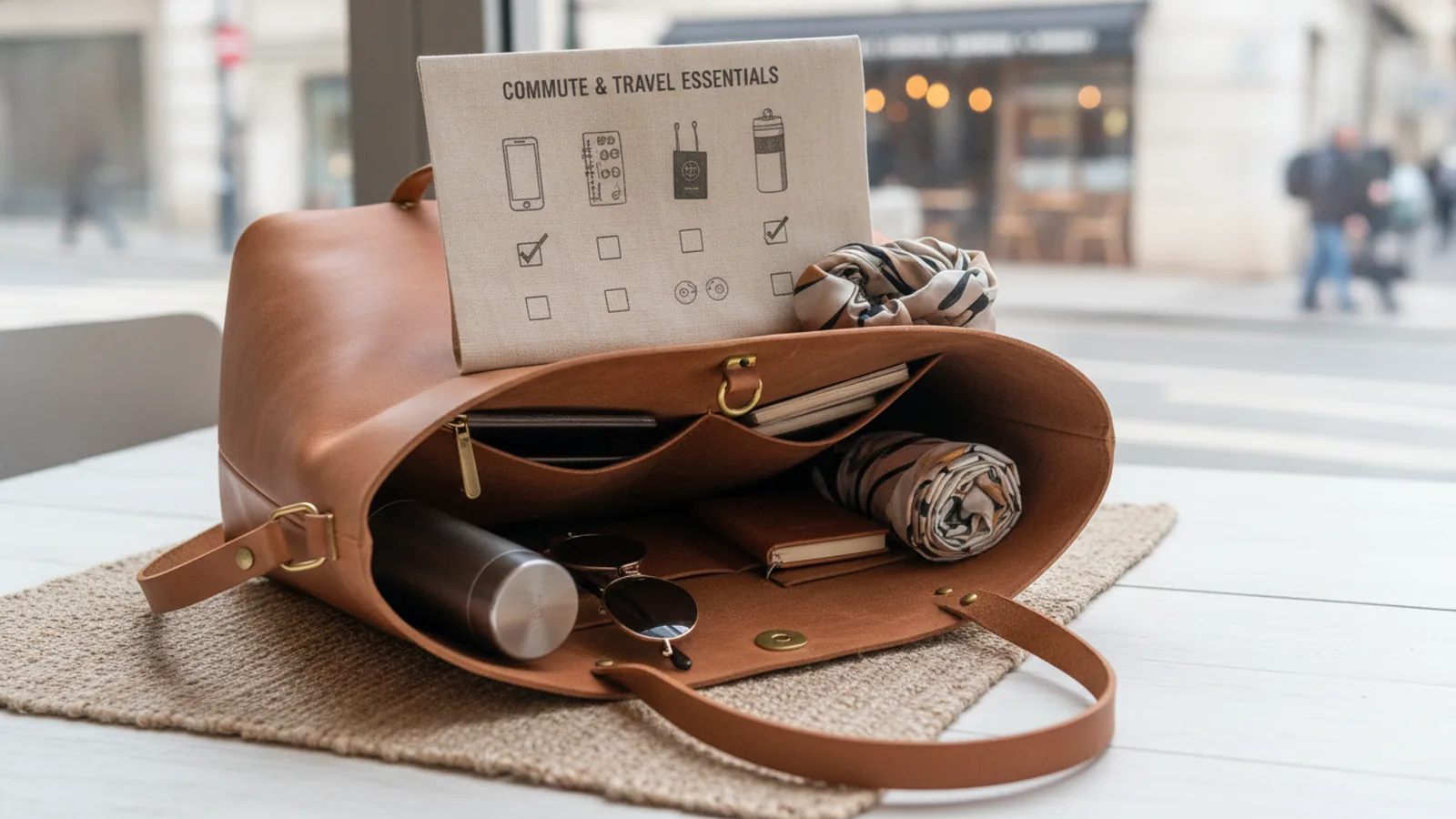
Finish your capsule with versatile accessories that can change the look of an outfit and adapt to temperature shifts. A large square scarf made of lightweight wool or silk can be worn as a neck wrap, a head covering, or tied to a bag handle for a pop of color. A simple leather belt in a neutral shade can cinch dresses, cardigans, or high-waisted trousers. A crossbody bag with an adjustable strap keeps your hands free and feels secure in crowds. When choosing a bag, test that it fits your everyday essentials like a phone, keys, and a small wallet without bulging. Also, verify the strap is long enough to wear across your body but not so long that it hits your hip awkwardly. These accessories elevate simple outfits and add function without taking up much space in a suitcase or closet. With these pieces, your capsule wardrobe becomes truly adaptable.
Quick Reference
| Situation | Action | Why it helps |
|---|---|---|
| You have to go from a cold morning commute to a warm afternoon meeting. | Wear a tee, a thin merino sweater, and a packable rain jacket; take off the sweater and jacket when the temperature rises. | Layering allows you to adjust to temperature changes without carrying bulky extra clothes, keeping you comfortable all day. |
| It starts raining suddenly while you are walking outside. | Put on your water-repellent jacket and raise the hood; if you have a scarf, wrap it loosely to keep your neck dry. | A quick defence against rain prevents you from getting soaked and protects your clothing and health. |
| You are going to a casual dinner after work and need to look a bit more polished. | Swap your sneakers for ankle boots or loafers, add a belt, and tuck in your shirt to elevate the outfit. | Simple accessory changes and a tailored silhouette upgrade the feel of an outfit without bringing extra clothes. |
Common Issues
- You bought clothes that match but do not actually fit your daily activities.: Revisit your activity list and purge any items that you have not worn in two weeks, then shop only for pieces that serve a specific purpose.
- Your layers are too bulky and make you feel like you are wearing a stuffed animal.: Choose thinner, high-quality insulating layers like merino wool or synthetic puffy vests that provide warmth without bulk, and stick to one heavy layer under a shell.
- You still get caught out by unexpected weather changes because your outerwear is not windproof or water-resistant.: Test your jacket by holding it against your mouth and blowing; if air passes through, it is not windproof. For rain, water should bead on the surface—if it soaks in, treat it with a waterproofing spray or replace it.
Advanced Tips
- Arrange your closet by category and color, keeping all your capsule pieces together so you can see every combination at a glance.
- Use a rolling packing technique when traveling to keep your clothes wrinkle-free, and always pack a lightweight tote for overflow items.
- Familiarize yourself with the care symbols on your clothing labels and wash delicates in a mesh bag to extend their lifespan.
Final Checklist
- Assessed your local climate and daily activities to guide your wardrobe choices.
- Selected 2-3 neutral bottoms that pair with all your tops and meet your comfort needs.
- Chosen 3-4 layering tops and 2 sweaters in breathable fabrics that fit well and can be mixed easily.
- Picked a water-repellent outer layer with a hood and a light vest for extra warmth, plus comfortable, weather-appropriate footwear.
FAQ
How many items should be in a capsule wardrobe?
A capsule wardrobe typically includes around 20 to 30 pieces, counting clothes, shoes, and accessories. However, the exact number varies based on your lifestyle and storage space. Focus on versatility rather than a strict count: every item should mix with at least three others. If you are new, start with a smaller number, like 15, and expand once you see which pieces you actually wear.
Can I have a capsule wardrobe if I live in a place with extreme weather?
Yes, but you may need to adapt it to your climate. For extreme cold or heat, choose fabrics that are highly insulating or wicking, and include specialized outerwear or footwear. You might also have a 'seasonal swap' where you store off-season items in bins and pull them out when needed, keeping only the current season's clothes visible in your closet.
What if I get bored with the same pieces?
Boredom is common, but you can combat it by rotating accessories like scarves, jewelry, and belts. Also, try styling the same item in different ways, such as tucking in a shirt, tying a sweater over your shoulders, or rolling your sleeves. When you truly feel stuck, you can introduce one new item that fills a gap you've noticed, but always ensure it matches your palette and can be worn at least three ways.